Houseplant care guides and AI problem diagnosis for 55 indoor plants
Free, ASPCA-cited reference for houseplant care, pet safety, and problem diagnosis. Light, water, humidity, and soil ranges sourced from the Royal Horticultural Society and Missouri Botanical Garden — not generic blog filler.
Most popular houseplants in 2026
All 55 care guides →Ranked by US monthly search volume. Each card links to a full care guide with light, water, humidity, soil, common problems, and ASPCA-cited pet safety.
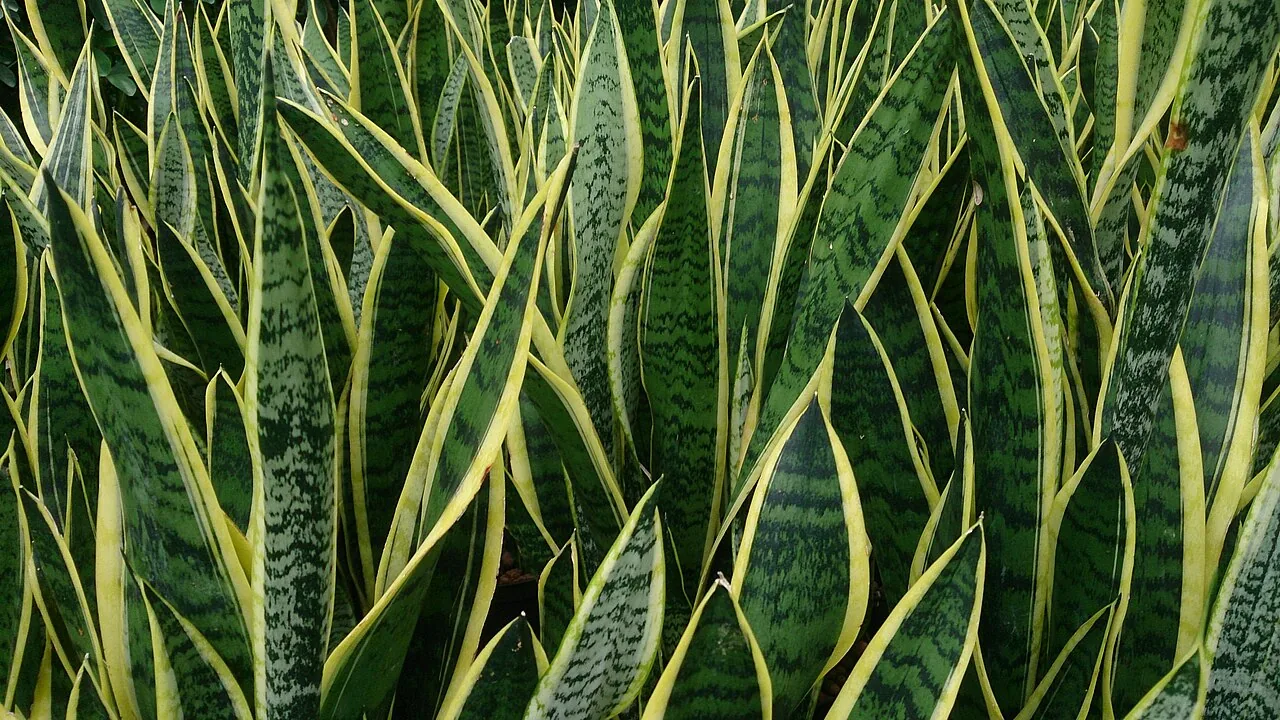
Snake Plant
Dracaena trifasciata Toxic to cats and dogs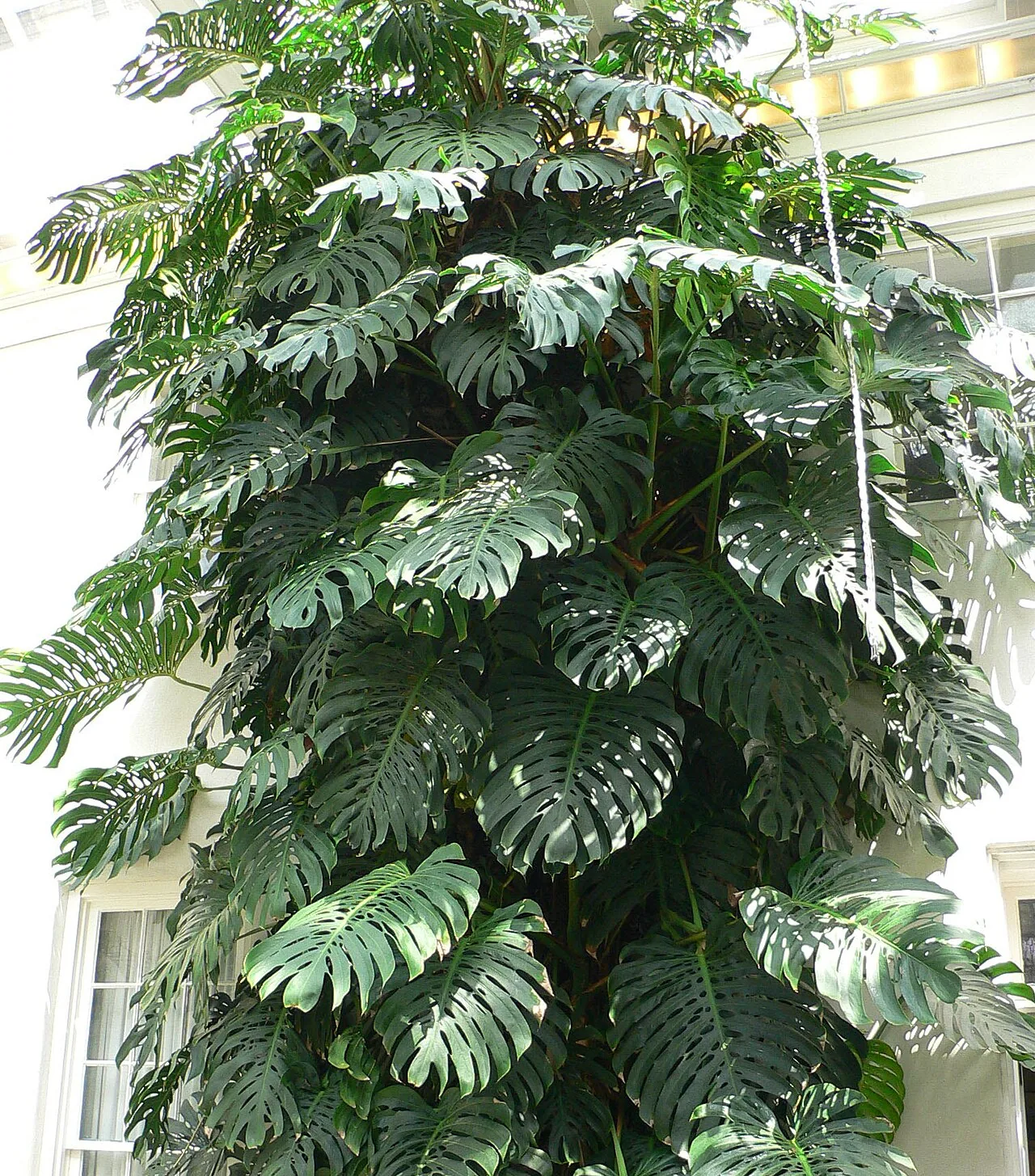
Monstera
Monstera deliciosa Toxic to cats and dogs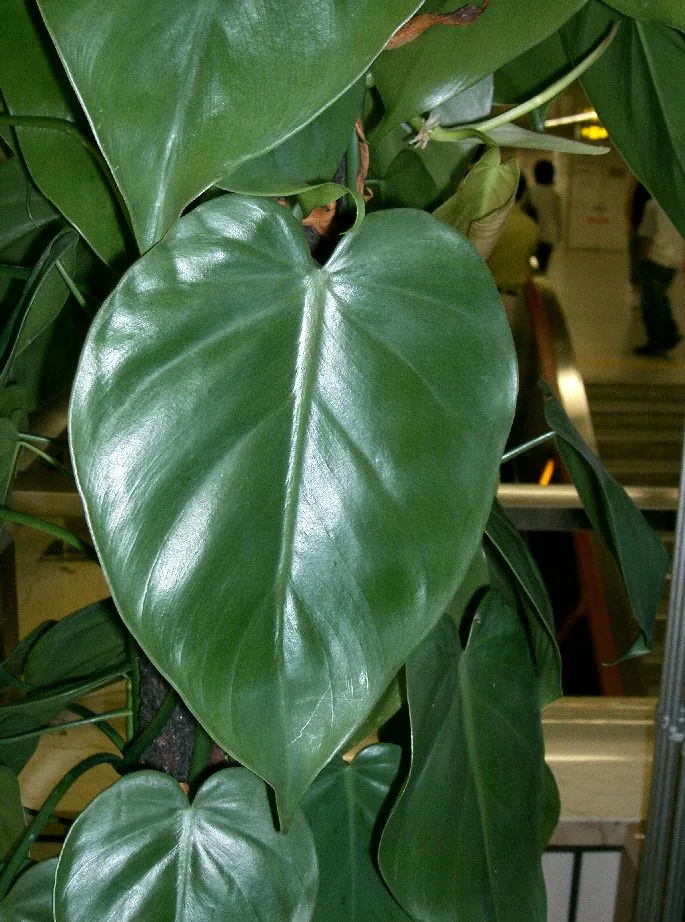
Heartleaf Philodendron
Philodendron hederaceum Toxic to cats and dogs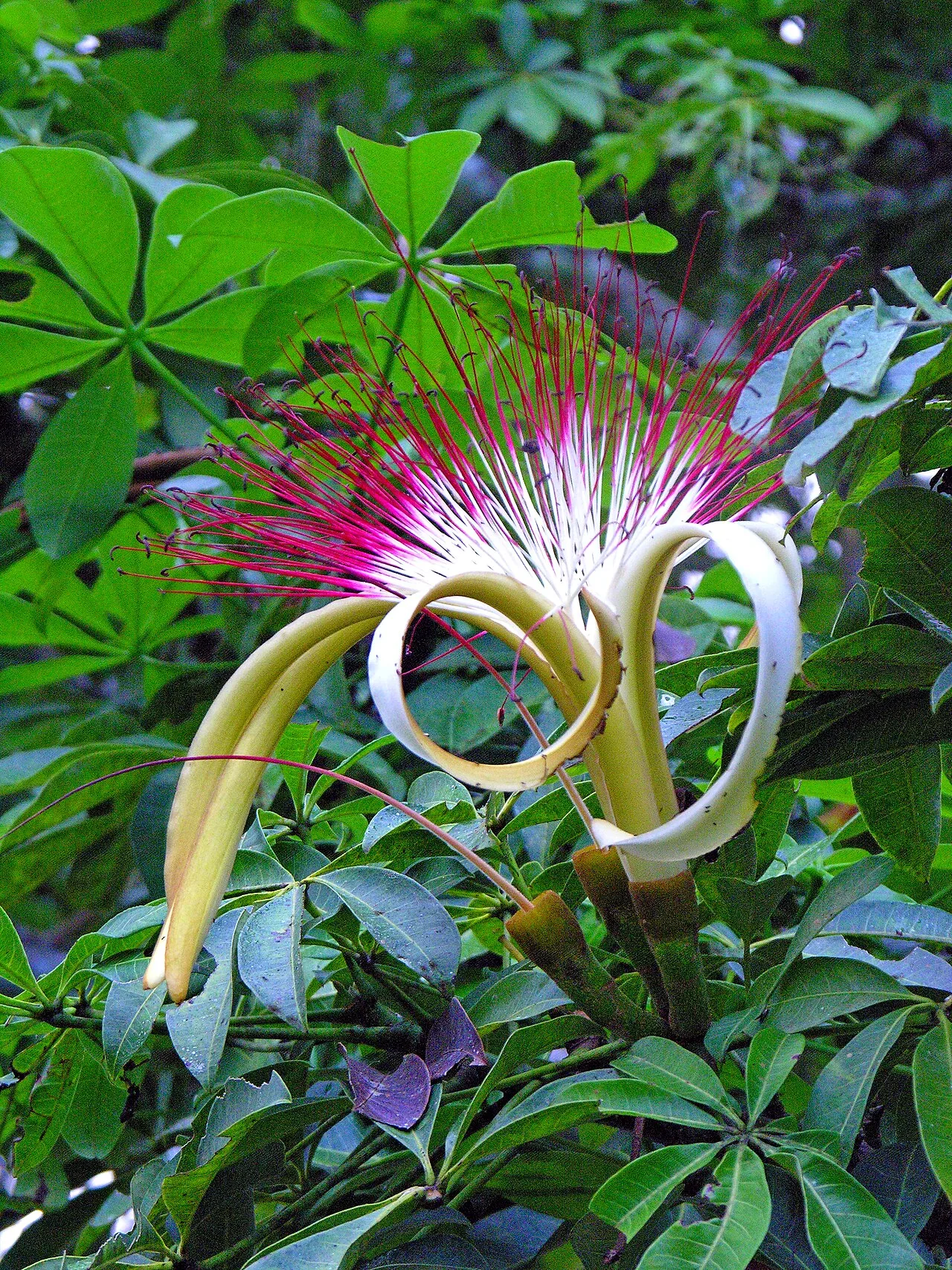
Money Tree
Pachira aquatica Pet-safe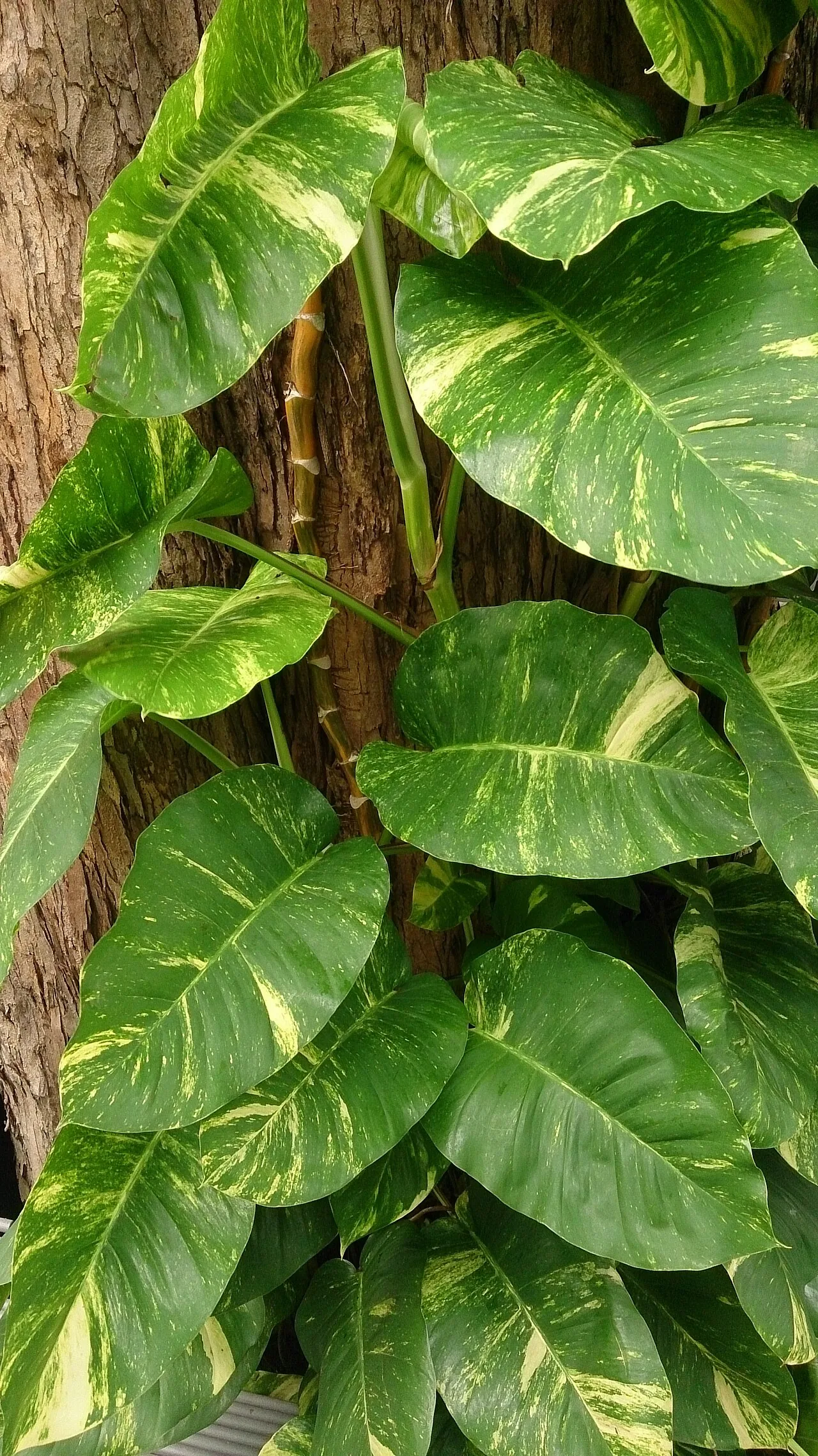
Golden Pothos
Epipremnum aureum Toxic to cats and dogs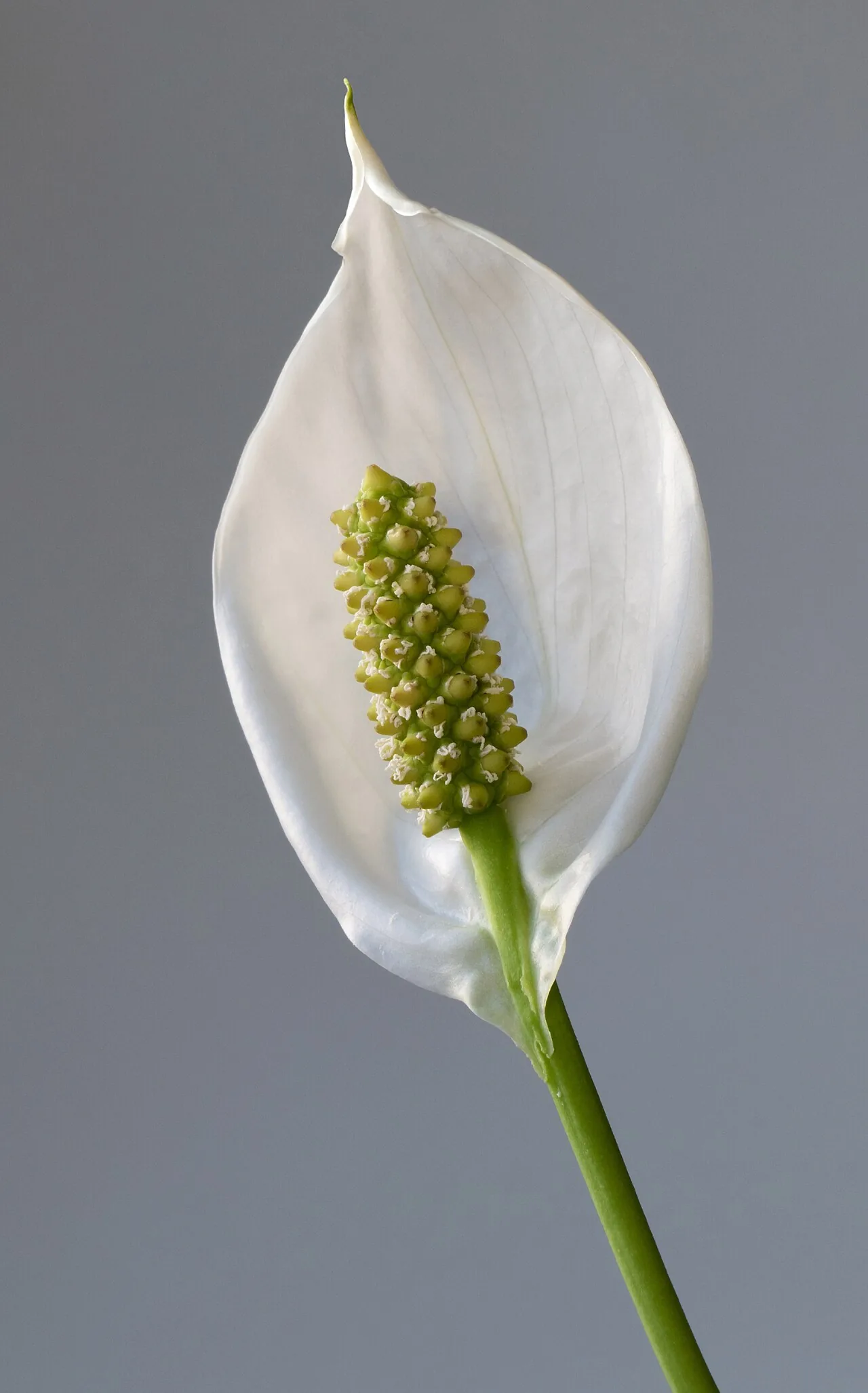
Peace Lily
Spathiphyllum wallisii Toxic to cats and dogsFree interactive tools
All tools →Pet Safety Checker
Tick the houseplants you have at home — instantly see which are toxic to your cat or dog, with severity ratings, emergency steps, and pet-safe alternatives. ASPCA-cited.
Check my plants → ⭐ AI toolPlant Doctor
Pick your plant, check the symptoms — get top 3 most likely causes with step-by-step fixes. AI reasoning calibrated to plant family priors.
Diagnose a problem → AI toolPlant Identifier
Snap a photo of any houseplant and instantly get the species, ASPCA pet safety, and full care guide — for the 55 houseplants in our database.
Identify a plant →Browse the site
Care guides
Light, water, humidity, soil, growth — the data points other sites skip.
Pet safety
Is your plant safe for cats and dogs? ASPCA-cited toxicity for every plant.
Find by condition
Browse plants filtered by light, pet safety, difficulty, and watering needs.
Best plants for…
Curated picks for bathrooms, offices, pet households, beginners, and more.
Quick browse
Frequently asked questions
What is the easiest houseplant for beginners?
For first-time plant owners, Pothos, Snake Plant, and ZZ Plant are the three hardest houseplants to kill — they tolerate inconsistent watering, low light, and the occasional missed week. Cast Iron Plant and Spider Plant are next-best, both pet-safe per the ASPCA. Avoid Fiddle Leaf Fig, Calathea, and Maidenhair Fern as a first plant — they punish small mistakes that beginners cannot yet diagnose.
See all beginner plants →What houseplants are safe for cats and dogs?
29 of our 55 houseplants are non-toxic to both cats and dogs per the ASPCA — including Spider Plant, Boston Fern, Parlor Palm, African Violet, Pilea Peperomioides, Bird's Nest Fern, Cast Iron Plant, and Watermelon Peperomia. Watch out for the most-popular toxic plants: Peace Lily, Pothos, Monstera, Philodendron, Snake Plant, ZZ Plant, and English Ivy.
Browse all pet-safe plants →How often should I water my houseplants?
It depends on the plant, light level, pot size, and season — there is no universal answer. Most popular tropicals (Monstera, Pothos, Philodendron) want water every 7-14 days during growing season and 30-50% less in winter. Succulents like Aloe and Jade can go 3-4 weeks. Skip the calendar — check the soil with your finger or a wooden skewer instead.
Read the watering guide →What houseplants need the least light?
True low-light tolerance is rare — most "low-light" plants still want medium-indirect light to thrive. Cast Iron Plant, ZZ Plant, and Pothos genuinely tolerate dim corners under 500 lux. Snake Plant survives but barely grows in deep shade. Adding a clip-on LED grow light expands your options dramatically and is the single biggest improvement for dim apartments.
Browse low-light plants →What does "bright indirect light" actually mean?
Roughly 10,000-20,000 lux — well-lit but no direct sun beam touches the leaves for more than an hour or two per day. Practical test at noon: hold your hand a foot above the spot. Soft shadow with fuzzy edges = bright indirect. Sharp dark shadow = direct sun. Faint shadow you have to look for = medium. No shadow = low light.
Full light guide →How do I know if my plant has root rot?
Root rot is the #1 houseplant killer. Tell-tale signs: yellow leaves combined with a mushy stem base, soggy soil that never dries, blackened or translucent roots when you unpot, and a sour smell from the soil. Catch it early by doing the squeeze test on the stem and finger-checking soil moisture before every watering.
Diagnose with Plant Doctor →Do houseplants really clean indoor air?
Slightly, but the famous 1989 NASA Clean Air Study used sealed acrylic chambers the size of a kitchen cupboard, not real homes. To match that filtration effect in a real 30 m² living room you would need 10-30 mature plants — a small forest. For real air quality, use a HEPA purifier. Houseplants are still worth growing, just for biophilic and aesthetic reasons rather than air filtration.
Read our NASA study review →Why are my houseplant leaves turning yellow?
Yellow leaves have many causes. Overwatering is the top cause (~55% of cases), but underwatering, low light, natural leaf aging, fertilizer issues, and pests are all possible. Multi-symptom diagnosis is more reliable than single-symptom: yellow + mushy stem strongly indicates root rot; yellow + crispy edges indicates underwatering. Plant Doctor returns a ranked top-3 cause analysis.
Get a top-3 diagnosis →