How to read houseplant light requirements

6 min read
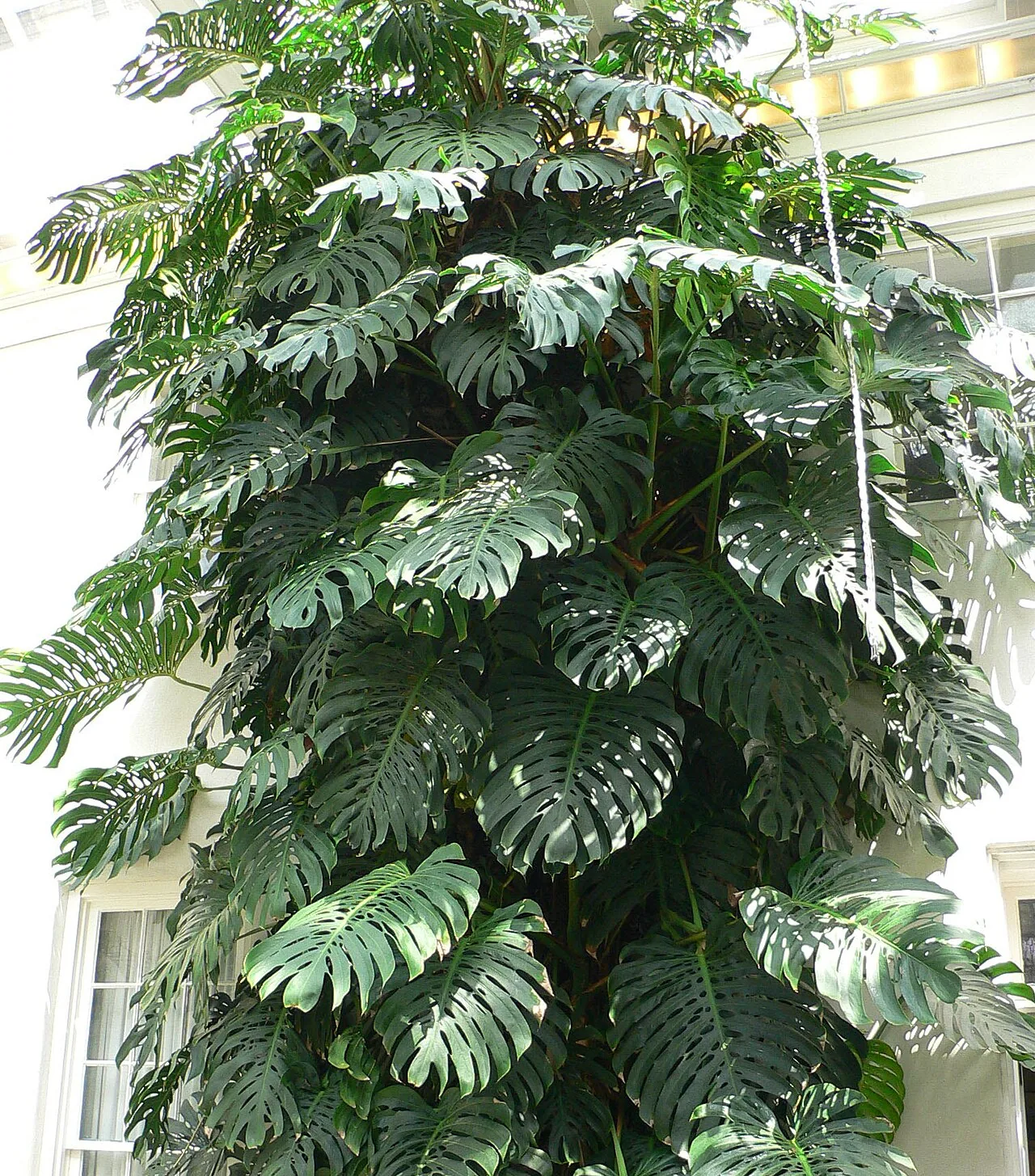
Light is the single most important variable for an indoor plant. Get it close to right and an average plant survives almost any other mistake. Get it wrong and even an attentive owner watches their plant slowly fade. The labels at garden centres — "low light", "bright indirect", "full sun" — are not interchangeable, and the difference between them is bigger than most beginners realise.
What the four common labels actually mean
The Royal Horticultural Society groups indoor light into four practical categories, measured either in lux or by where the plant sits relative to a window.
- Direct sun (more than 25,000 lux)
- Sunlight hits the leaves with no filter for at least four to six hours per day. South-facing windows in the northern hemisphere, or north-facing in the southern, with no curtain. Cacti, most succulents, and some citrus need this.
- Bright indirect (10,000 – 20,000 lux)
- The plant sits within a metre or two of a sunny window, but not in the path of the beam. Behind a sheer curtain on a south window counts. So does an east window where direct sun only hits for the first hour or two of morning. Most popular tropicals — Monstera, Fiddle Leaf Fig, Philodendron — want this.
- Medium indirect (5,000 – 10,000 lux)
- Two to three metres back from a bright window, or right next to a north window. Bright enough to read a book without a lamp at noon, but never enough to cast sharp shadows. Pothos and Peace Lily live here happily.
- Low light (500 – 2,500 lux)
- North-facing rooms, hallways, and corners more than three metres from any window. Snake Plant, ZZ, and Aloe Vera survive here, but most plants will stretch and slow. "Low light tolerant" does not mean "thrives in low light" — it means it will not die quickly.
How to test your light without a meter
You do not need to buy anything. Two free methods give you a usable answer.
The shadow test
At noon on a clear day, hold your hand a foot above where the plant will sit and look at the shadow it casts.
- Sharp, dark shadow with crisp edges: direct sun.
- Soft shadow with fuzzy edges: bright indirect.
- Faint shadow you have to look for: medium indirect.
- No visible shadow: low light. Most plants will struggle.
The phone lux meter
Most modern phones have ambient light sensors. Free apps like Lux Light Meter (iOS) or Lux Meter (Android) read out lux directly. Hold the phone where the leaves will be, screen facing the same direction the leaves face, and check the reading at noon. Cross-reference with the ranges above. Phone meters are not laboratory accurate — readings can vary 20–30% — but they are good enough to tell bright indirect from medium indirect.
Direction matters as much as distance
Two windows the same size in the same room give very different light depending on which way they face. In the northern hemisphere:
- South: the brightest light, with several hours of direct sun in winter. Best for cacti and succulents. Most tropicals need a sheer curtain or a metre of pullback.
- East: direct morning sun until about 11am, bright indirect for the rest of the day. The sweet spot for most popular tropicals.
- West: bright indirect until afternoon, then direct afternoon sun, which is more intense than morning sun. A sheer curtain helps.
- North: consistent, gentle indirect light all day, no direct sun. Perfect for low-light plants. Most tropicals will survive but grow slowly.
Reverse the directions if you live in the southern hemisphere.
How plants tell you the light is wrong
Plants are honest. They show you within a few weeks.
- Too little light: stretched stems with long gaps between leaves (etiolation), pale or yellowing new growth, smaller leaves than the older ones, vining plants that lean hard toward the window.
- Too much direct sun: bleached patches on the leaves facing the window, crispy brown edges that appear within hours of a hot afternoon, leaves that feel hot to the touch.
- Right amount of light: new leaves emerge the same size as older ones, compact growth, no leaning, healthy colour.
Quick matchmaker
If you only know the direction your window faces, start here:
- North window or no window in sight: see our low-light plant list.
- East window: see bright indirect picks. This is the friendliest light direction.
- South or west window with a curtain: bright indirect picks again. Without a curtain, you can keep cacti and succulents.
Compare light needs side-by-side
These head-to-head comparisons isolate the light variable so you can pick the right plant for the window you actually have:
- Snake Plant vs ZZ Plant — which low-light champion is right for the darkest corner
- Monstera vs Heartleaf Philodendron — both bright-indirect tropicals, very different scale
- Pothos vs ZZ Plant — two bulletproof starters, trailing vs upright in the same dim spot
- Fiddle Leaf Fig vs Monstera — which Instagram statement plant works in your light
Frequently asked questions
What does "bright indirect light" actually mean?
Bright indirect means the spot is well-lit but no direct sun beam touches the leaves for more than an hour or two per day. Practical test: at noon you can read a book without a lamp and your hand casts a soft shadow with fuzzy edges (not sharp, not absent). In lux terms, roughly 10,000-20,000 lux. Most popular tropicals (Monstera, Philodendron, Fiddle Leaf Fig) want this.
How do I test how much light my room gets without a meter?
Two free methods. (1) Shadow test at noon: hold your hand a foot above the spot. Sharp dark shadow = direct sun. Soft fuzzy shadow = bright indirect. Faint shadow you have to look for = medium. No shadow = low light. (2) Phone lux meter app: free apps like Lux Light Meter (iOS) or Lux Meter (Android) read out lux directly using your phone's ambient light sensor. Phone meters are 20-30% inaccurate but good enough to distinguish bright indirect from medium.
Can houseplants survive in north-facing rooms with no direct sun?
Some can thrive there. Snake Plant, ZZ Plant, Pothos, and Heartleaf Philodendron are known low-light survivors — they will not get bigger fast but they hold healthy. Calathea and Boston Fern actually prefer this softer light. Avoid succulents, cacti, Fiddle Leaf Fig, and Bird of Paradise in north rooms — they will stretch and decline within months.
Are grow lights necessary for houseplants?
Not necessary, but helpful in two cases: (1) If you have no window or only a north-facing window in winter, grow lights extend day length and add intensity that low-light plants need to actually grow rather than just survive. (2) If you want flowering plants (African Violet, Christmas Cactus) to bloom reliably indoors. A modest LED grow light running 8-12 hours per day is enough — full-spectrum white LEDs work better than purple/pink "grow" LEDs for general houseplant use.
Light category ranges adapted from the Royal Horticultural Society "Houseplants: choosing the right one" advice and Missouri Botanical Garden's "Light requirements for indoor plants".