Best houseplants for cat owners

Cats are the highest-stakes plant audience — they climb, they chew leaves out of curiosity, and many of the most popular houseplants (Monstera, Pothos, Peace Lily, Lily, Snake Plant) are toxic to them. These picks are confirmed non-toxic to cats by the ASPCA AND chosen for being durable enough to survive the occasional swipe, knock-over, or leaf-test.
-
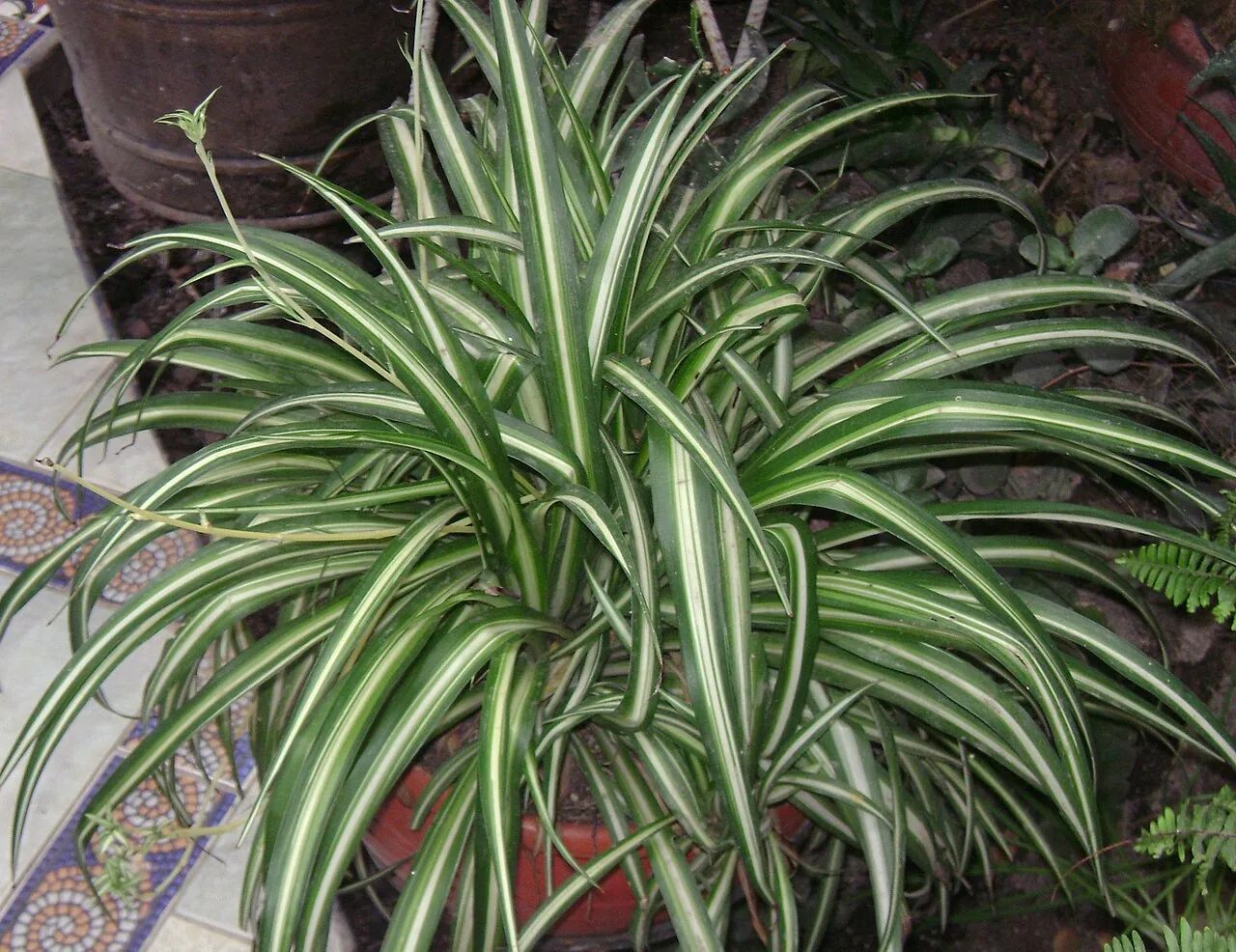
Spider Plant Chlorophytum comosum
Pet-safe Bright indirect Drought-tolerantCats are mildly attracted to it — some chew the leaves harmlessly, like cat grass.
-
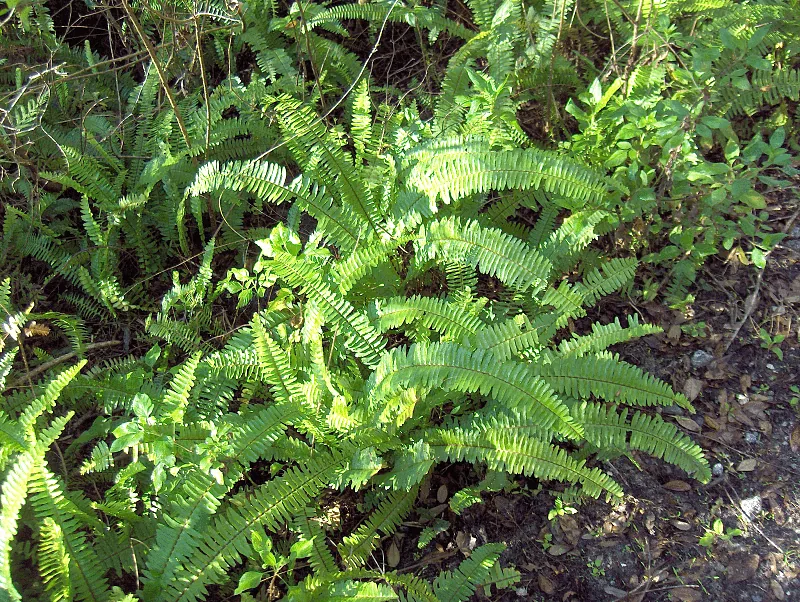
Boston Fern Nephrolepis exaltata
Pet-safe Medium indirectHang it high. Cats love batting at the fronds, and replacement fronds grow back fast.
-
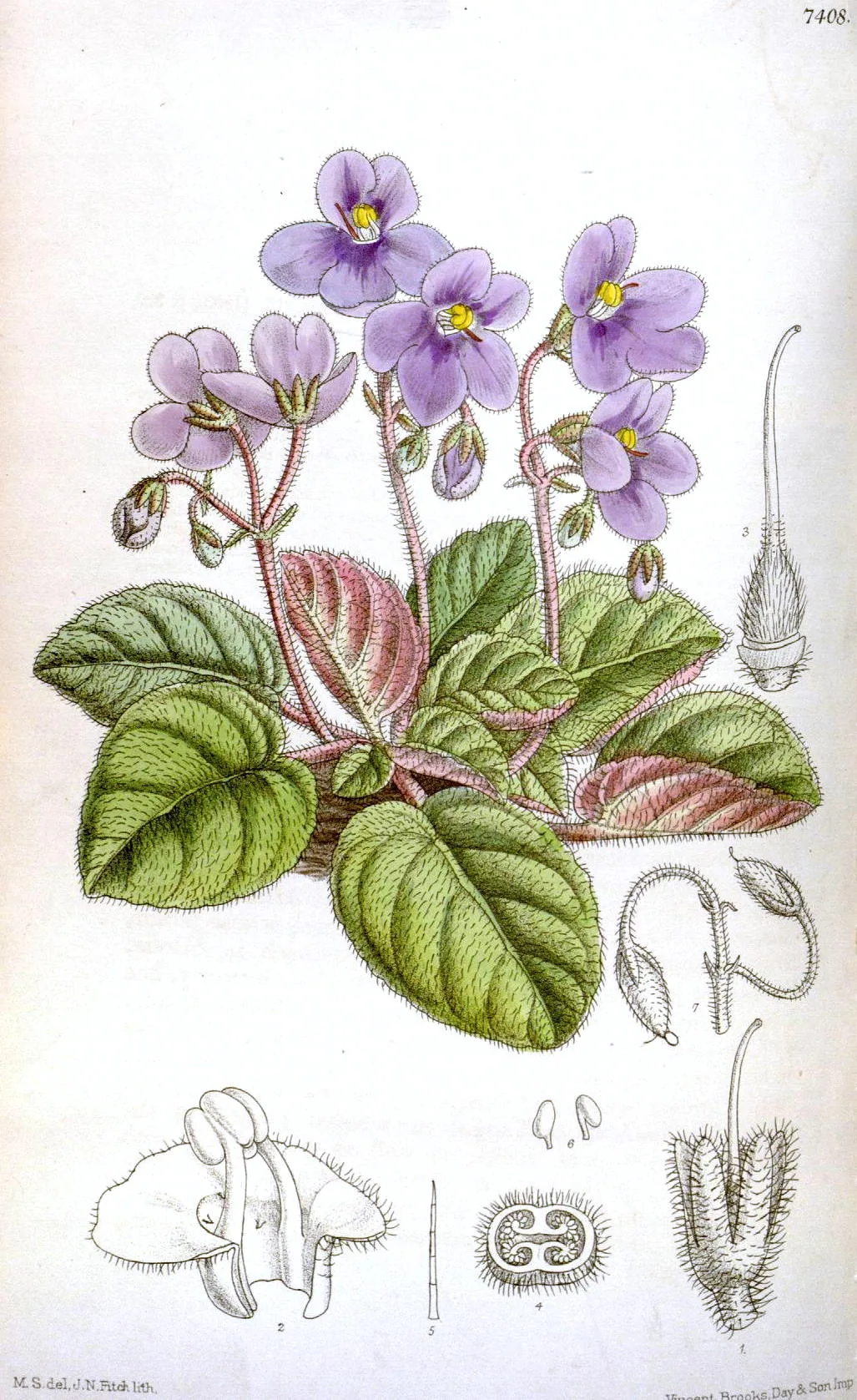
African Violet Saintpaulia ionantha
Pet-safe Bright indirectCompact and not appealing to cats — leave it on a shelf and they will ignore it.
-
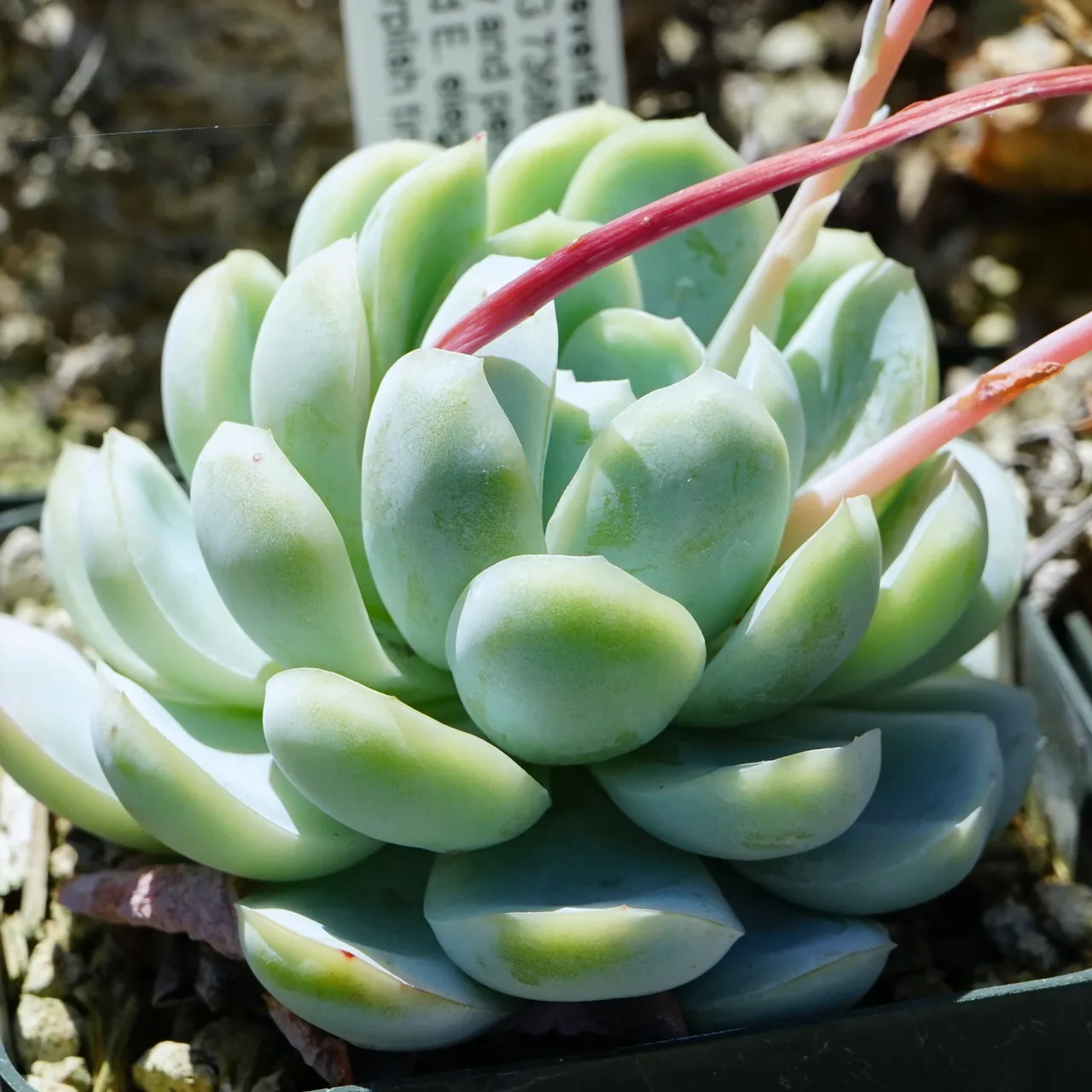
Echeveria Echeveria elegans
Pet-safe Bright indirect Drought-tolerantCompact succulent rosette — cats rarely chew thick fleshy leaves. Place in a south window where it stays tight and out of casual swipe range.
-
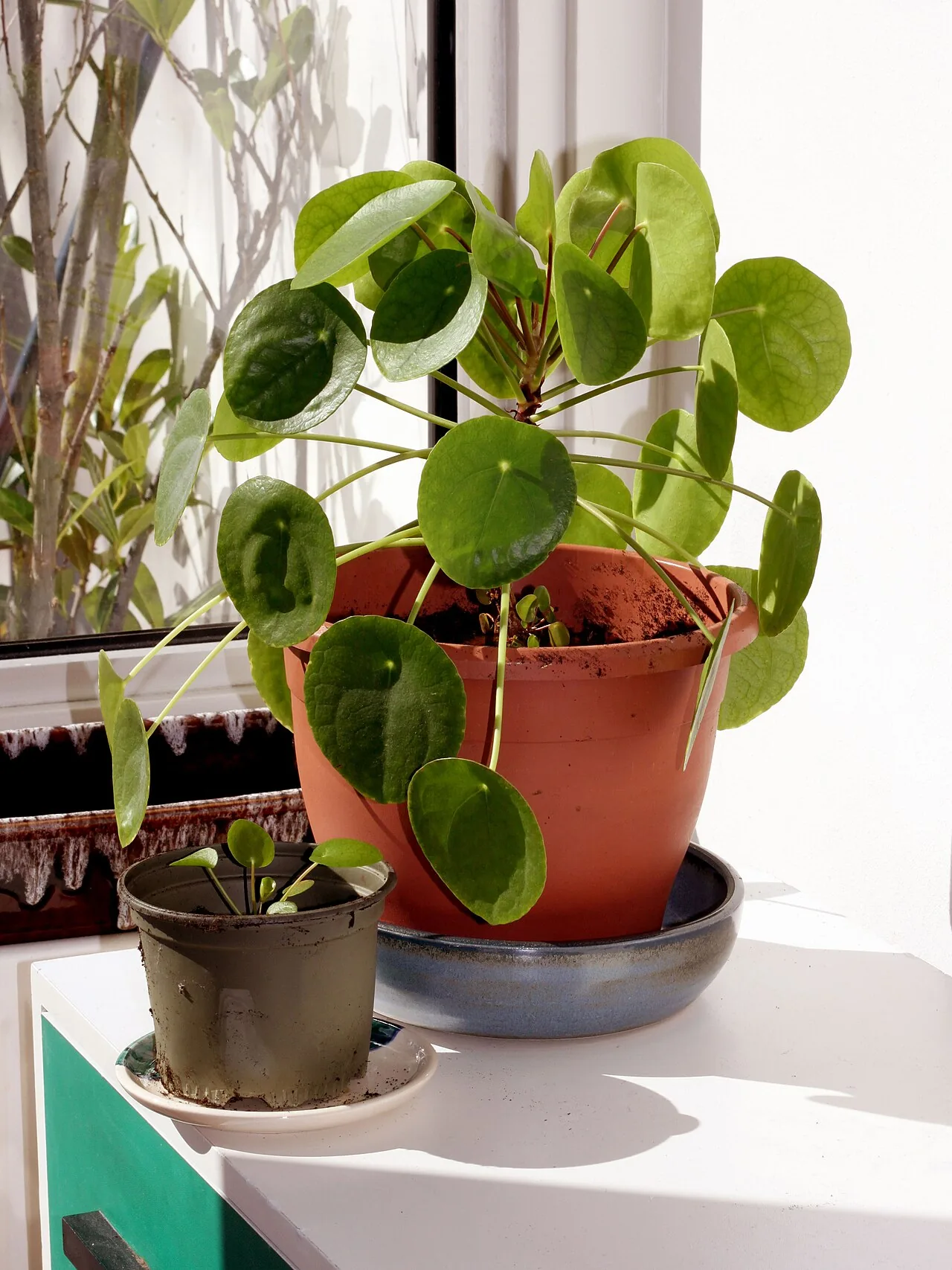
Chinese Money Plant Pilea peperomioides
Pet-safe Bright indirectThe round leaves are surprisingly cat-resistant (the smooth surface is hard to bite).
-
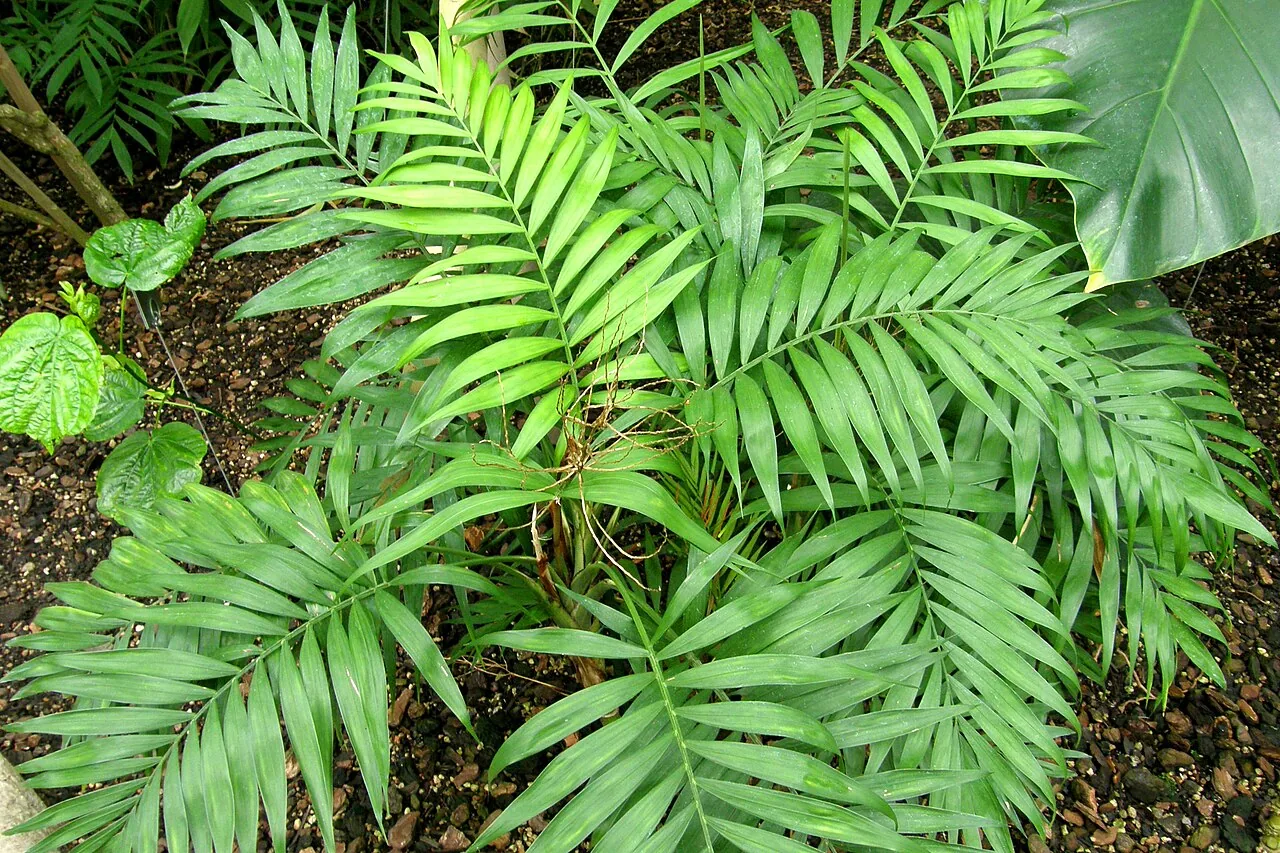
Parlor Palm Chamaedorea elegans
Pet-safe Medium indirect Drought-tolerantTall enough that cats lose interest after the first investigation.
-
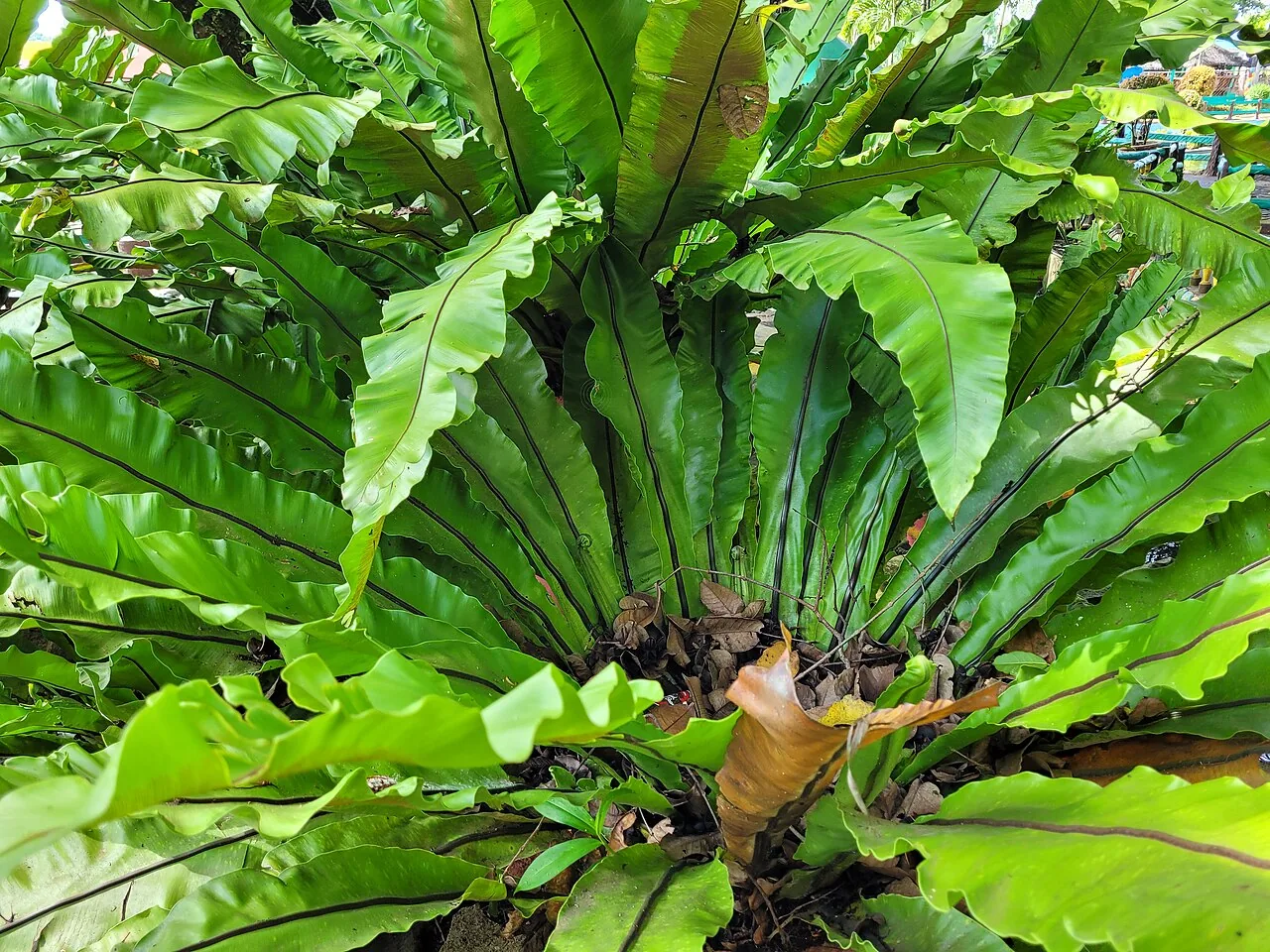
Bird's Nest Fern Asplenium nidus
Pet-safe Medium indirectSolid fronds rather than feathery ones — less interesting to cats than Boston Fern, fewer dropped bits to investigate.
-
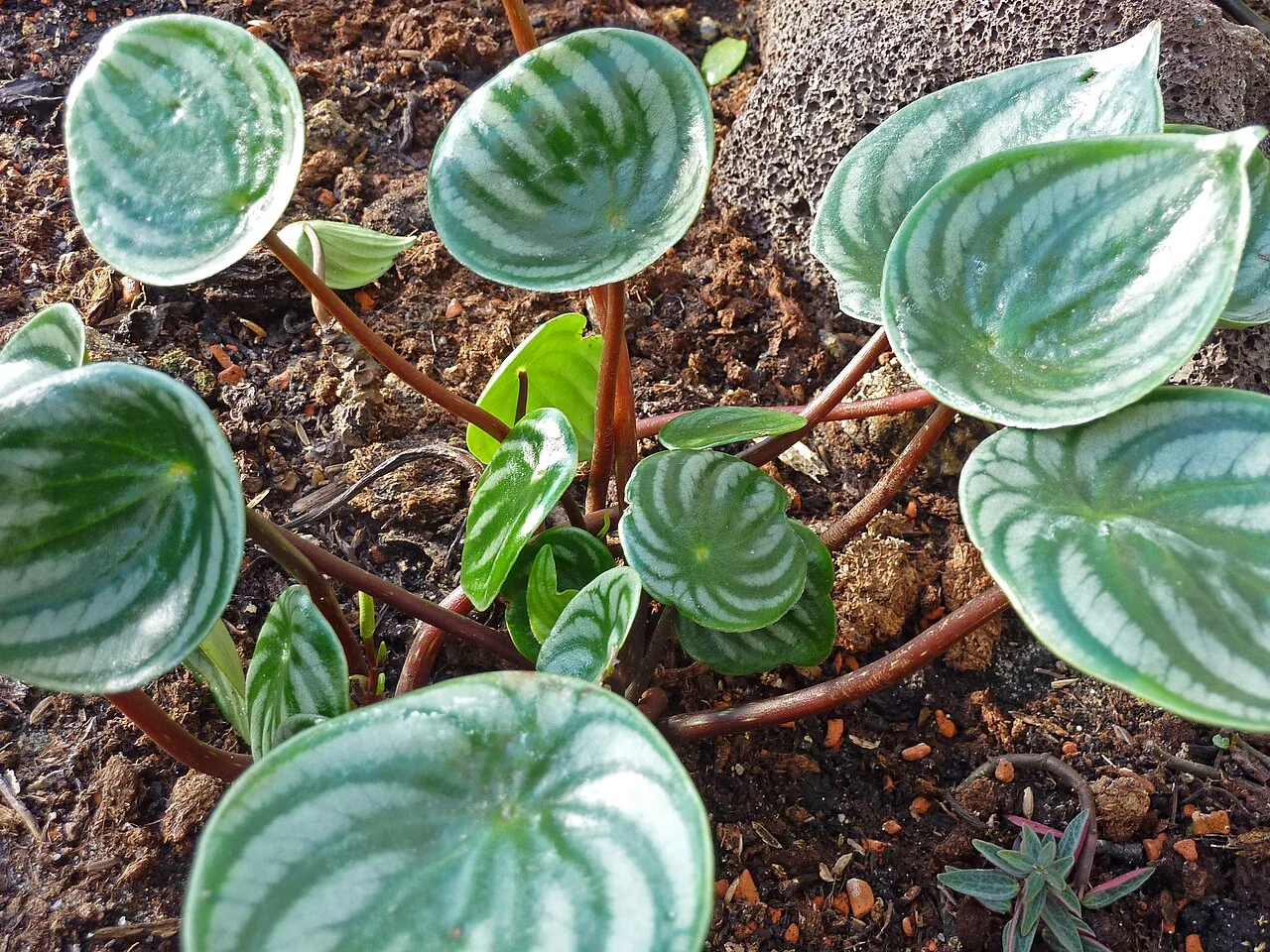
Watermelon Peperomia Peperomia argyreia
Pet-safe Medium indirect Drought-tolerantCompact desk size, semi-succulent leaves cats rarely chew, striped pattern adds visual interest.
Honorable mentions
More plants in our database that fit this criteria but did not make the top 8.
- Air Plant (Tillandsia ionantha)
- Cast Iron Plant (Aspidistra elatior)
- Haworthia (Haworthia cooperi)
- Ponytail Palm (Beaucarnea recurvata)
- String of Hearts (Ceropegia woodii)
- Burro's Tail (Sedum morganianum)
- Polka Dot Plant (Hypoestes phyllostachya)
- Staghorn Fern (Platycerium bifurcatum)
- Zebra Haworthia (Haworthiopsis attenuata)
- Money Tree (Pachira aquatica)
- Christmas Cactus (Schlumbergera bridgesii)
- Calathea (Calathea orbifolia)
- Areca Palm (Dypsis lutescens)
- Bromeliad (Aechmea fasciata)
- Hoya (Hoya carnosa)
- Prayer Plant (Maranta leuconeura)
- Rattlesnake Plant (Calathea lancifolia)
- Sweetheart Plant (Hoya kerrii)
- Baby Rubber Plant (Peperomia obtusifolia)
- Lithops (Lithops aucampiae)
- Maidenhair Fern (Adiantum raddianum)
Final word
Even non-toxic plants can cause mild stomach upset if a cat eats too much. Use deterrent sprays or hanging baskets if your cat is a chronic chewer.