Monstera Adansonii vs Rhaphidophora Tetrasperma
Monstera adansonii vs Rhaphidophora tetrasperma
Both are the "trendy small split-leaf aroid" pick — but adansonii has oval holes and trails, rhaphidophora has split fingers and climbs.

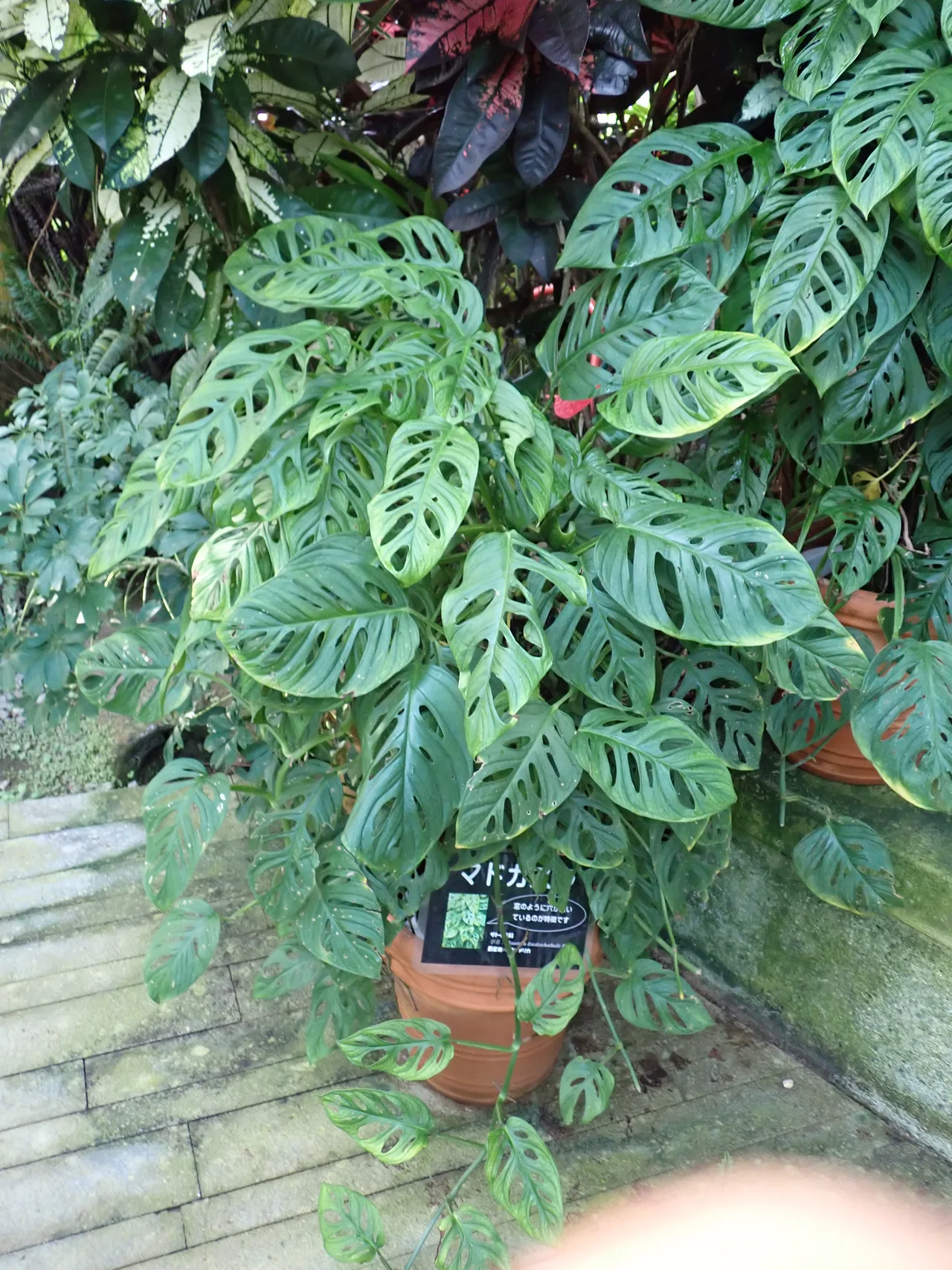
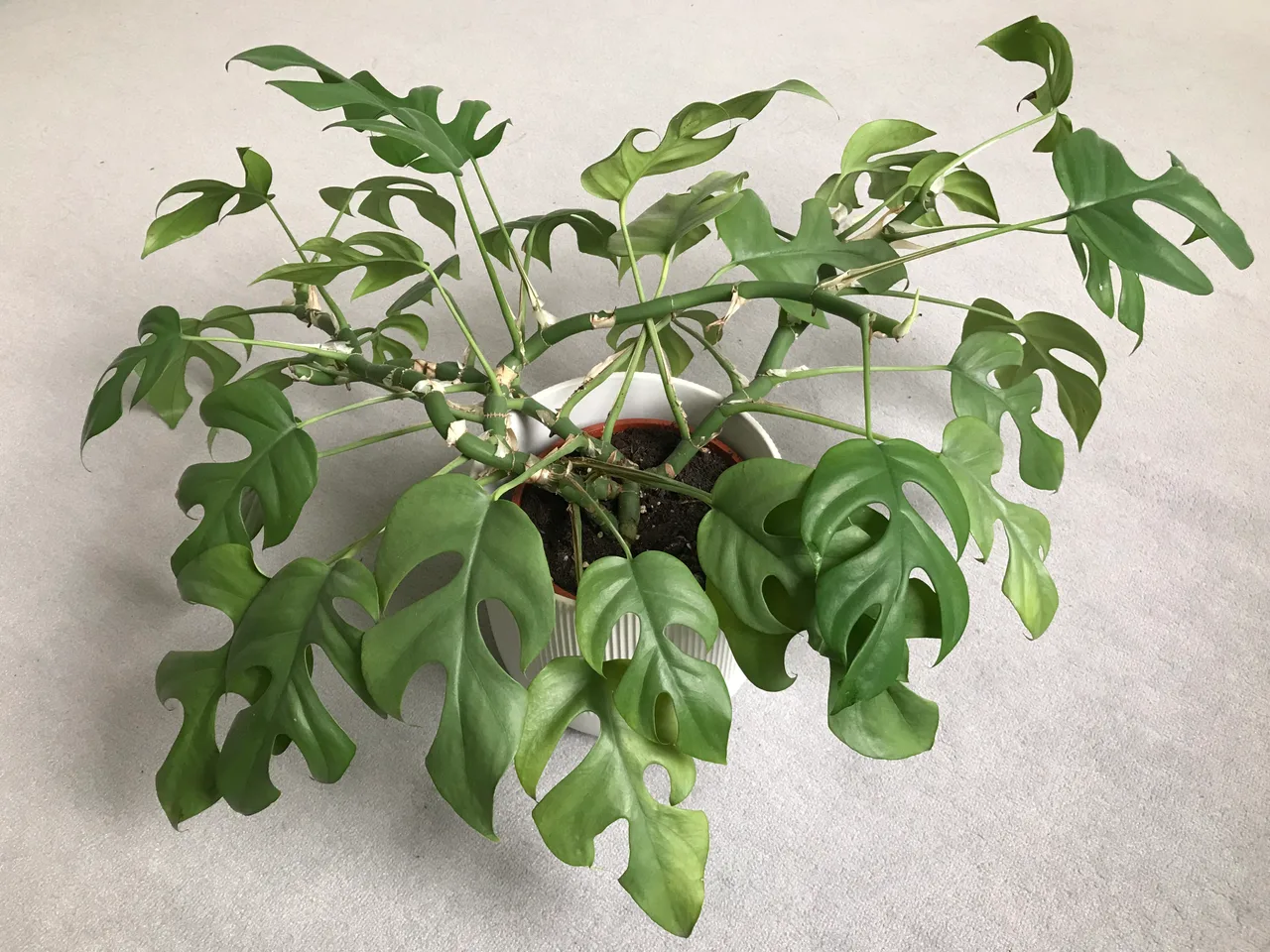
Monstera adansonii (Swiss Cheese Vine) and Rhaphidophora tetrasperma (Mini Monstera) are the two trendiest small-leaved fenestrated aroids in plant collector circles. From across the room they look similar — small split-leaf plants, fast growers, perfect for shelves. Up close they are distinct: adansonii leaves have closed oval or round holes (true fenestrations) and trail naturally from hanging baskets; rhaphidophora leaves have open splits that reach the leaf edge (pinnate/digitate) and prefer climbing a moss pole. Care needs are nearly identical — both are toxic, both want bright indirect light, both need weekly watering. The choice is about display style and the leaf-shape aesthetic you prefer.
Quick verdict
| Use case | Winner |
|---|---|
| For pet households | Neither — try a different plant |
| For first-time plant owners | Either works |
| For low-light rooms | Either works |
| For drought / forgetful watering | Either works |
| For small spaces | Either works |
Side-by-side details
| Trait | Monstera Adansonii | Rhaphidophora Tetrasperma |
|---|---|---|
| Light | Bright indirect | Bright indirect |
| Water frequency | Every 7–10 days | Every 7–10 days |
| Humidity needs | 50–80% | 50–80% |
| Drought-tolerant | No | No |
| Difficulty | Easy | Easy |
| Mature height | 240 cm | 250 cm |
| Growth pattern | vining | vining |
| Pet safety | Toxic to cats and dogs | Toxic to cats and dogs |
Pet safety side-by-side
Monstera Adansonii
Toxic to cats and dogs
Cats: moderate severity
Dogs: moderate severity
Rhaphidophora Tetrasperma
Toxic to cats and dogs
Cats: moderate severity
Dogs: moderate severity
Our take
Pick Monstera adansonii for hanging baskets and trailing displays — the closed oval holes are visually softer and the vine cascades naturally. Pick Rhaphidophora tetrasperma for moss-pole climbing displays — the open digitate splits look more architectural and the plant climbs faster. Both are pet-toxic with identical care difficulty.
Read Monstera Adansonii care guide Read Rhaphidophora Tetrasperma care guide
Frequently asked questions
Which is easier to care for, Monstera Adansonii or Rhaphidophora Tetrasperma?
Monstera Adansonii (easy) and Rhaphidophora Tetrasperma (easy) are similar in difficulty.
Is Monstera Adansonii or Rhaphidophora Tetrasperma safer around cats and dogs?
Neither is pet-safe — pick a different plant. Monstera Adansonii: Toxic to cats and dogs. Rhaphidophora Tetrasperma: Toxic to cats and dogs. Pet safety data is sourced from the ASPCA Animal Poison Control Center.
Can Monstera Adansonii or Rhaphidophora Tetrasperma handle low light?
Both handle low light. Monstera Adansonii prefers bright indirect. Rhaphidophora Tetrasperma prefers bright indirect.
How often should I water Monstera Adansonii compared to Rhaphidophora Tetrasperma?
Monstera Adansonii: every 7-10 days. Rhaphidophora Tetrasperma: every 7-10 days. Neither is drought-tolerant — both need consistent watering.