Monstera vs Rhaphidophora Tetrasperma
Monstera deliciosa vs Rhaphidophora tetrasperma
Rhaphidophora is sold as "Mini Monstera" — but it is not a Monstera at all, and shoppers buying one expecting baby Monstera deliciosa are surprised.

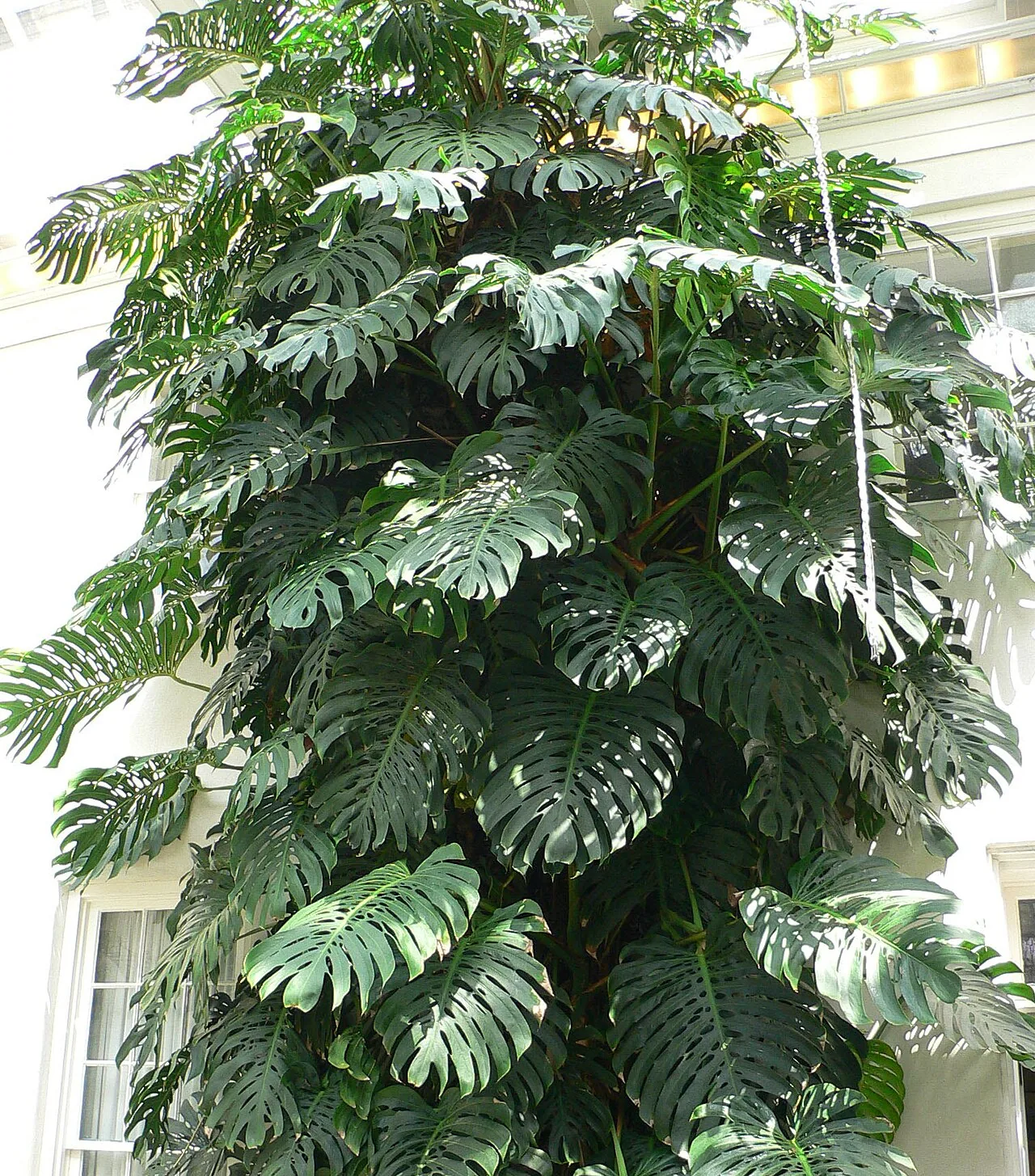
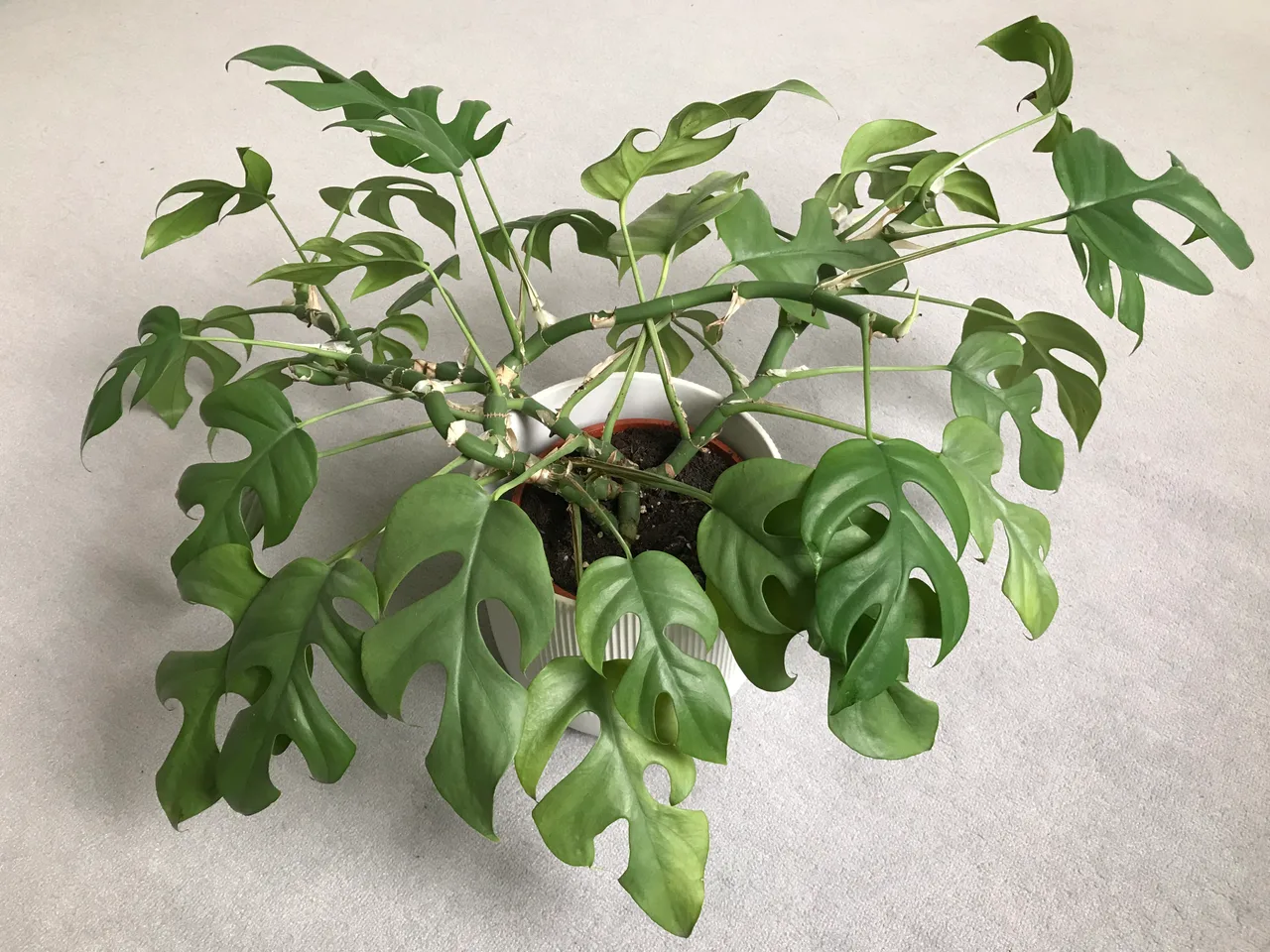
Rhaphidophora tetrasperma earned the nickname "Mini Monstera" because juvenile leaves look like miniature Monstera deliciosa leaves — same family (Araceae), same vining habit, similar split-leaf appearance. But it is a completely different genus, and the differences matter for anyone trying to choose between them. Deliciosa develops massive 60cm fenestrated leaves and needs floor space for a 3m specimen. Rhaphidophora stays small-leaved (15-25cm) but climbs aggressively on a moss pole, ideal for vertical 1.5-2m installations. Both are toxic to pets and need similar care — but the mature size, leaf size, and space requirements are not comparable.
Quick verdict
| Use case | Winner |
|---|---|
| For pet households | Neither — try a different plant |
| For first-time plant owners | Either works |
| For low-light rooms | Either works |
| For drought / forgetful watering | Either works |
| For small spaces | Rhaphidophora Tetrasperma |
Side-by-side details
| Trait | Monstera | Rhaphidophora Tetrasperma |
|---|---|---|
| Light | Bright indirect | Bright indirect |
| Water frequency | Every 7–10 days | Every 7–10 days |
| Humidity needs | 40–70% | 50–80% |
| Drought-tolerant | No | No |
| Difficulty | Easy | Easy |
| Mature height | 300 cm | 250 cm |
| Growth pattern | vining | vining |
| Pet safety | Toxic to cats and dogs | Toxic to cats and dogs |
Pet safety side-by-side
Monstera
Toxic to cats and dogs
Cats: moderate severity
Dogs: moderate severity
Rhaphidophora Tetrasperma
Toxic to cats and dogs
Cats: moderate severity
Dogs: moderate severity
Our take
Pick Monstera deliciosa if you want true split-leaf drama at 60cm+ leaf size and have the floor space for a statement plant. Pick Rhaphidophora tetrasperma if you want the split-leaf aesthetic in a 1.5-2m vertical installation with smaller (15-25cm) leaves — faster growth and easier to manage in apartments.
Read Monstera care guide Read Rhaphidophora Tetrasperma care guide
Frequently asked questions
Which is easier to care for, Monstera or Rhaphidophora Tetrasperma?
Monstera (easy) and Rhaphidophora Tetrasperma (easy) are similar in difficulty.
Is Monstera or Rhaphidophora Tetrasperma safer around cats and dogs?
Neither is pet-safe — pick a different plant. Monstera: Toxic to cats and dogs. Rhaphidophora Tetrasperma: Toxic to cats and dogs. Pet safety data is sourced from the ASPCA Animal Poison Control Center.
Can Monstera or Rhaphidophora Tetrasperma handle low light?
Both handle low light. Monstera prefers bright indirect. Rhaphidophora Tetrasperma prefers bright indirect.
How often should I water Monstera compared to Rhaphidophora Tetrasperma?
Monstera: every 7-10 days. Rhaphidophora Tetrasperma: every 7-10 days. Neither is drought-tolerant — both need consistent watering.