English Ivy pet safety
Hedera helix
Cat-specific information
Dog-specific information
Frequently asked questions
Is English Ivy toxic to cats?
Yes. English Ivy is moderate toxic to cats per the ASPCA Animal Poison Control Center, due to triterpenoid saponins (hederagenin), polyacetylene compounds (falcarinol, didehydrofalcarinol). Symptoms include: vomiting, diarrhea, hypersalivation, abdominal pain, oral irritation.
Is English Ivy toxic to dogs?
Yes. English Ivy is moderate toxic to dogs per the ASPCA, due to triterpenoid saponins (hederagenin), polyacetylene compounds (falcarinol, didehydrofalcarinol). Symptoms include: vomiting, diarrhea, hypersalivation, abdominal pain, increased thirst.
What should I do if my pet eats English Ivy?
Remove any plant material from your pet's mouth and rinse the mouth with water. Do not induce vomiting. Call your vet or the ASPCA Animal Poison Control Center at (888) 426-4435 right away. Bring a sample of the plant if you can. Watch for vomiting, diarrhea, hypersalivation, abdominal pain, oral irritation.
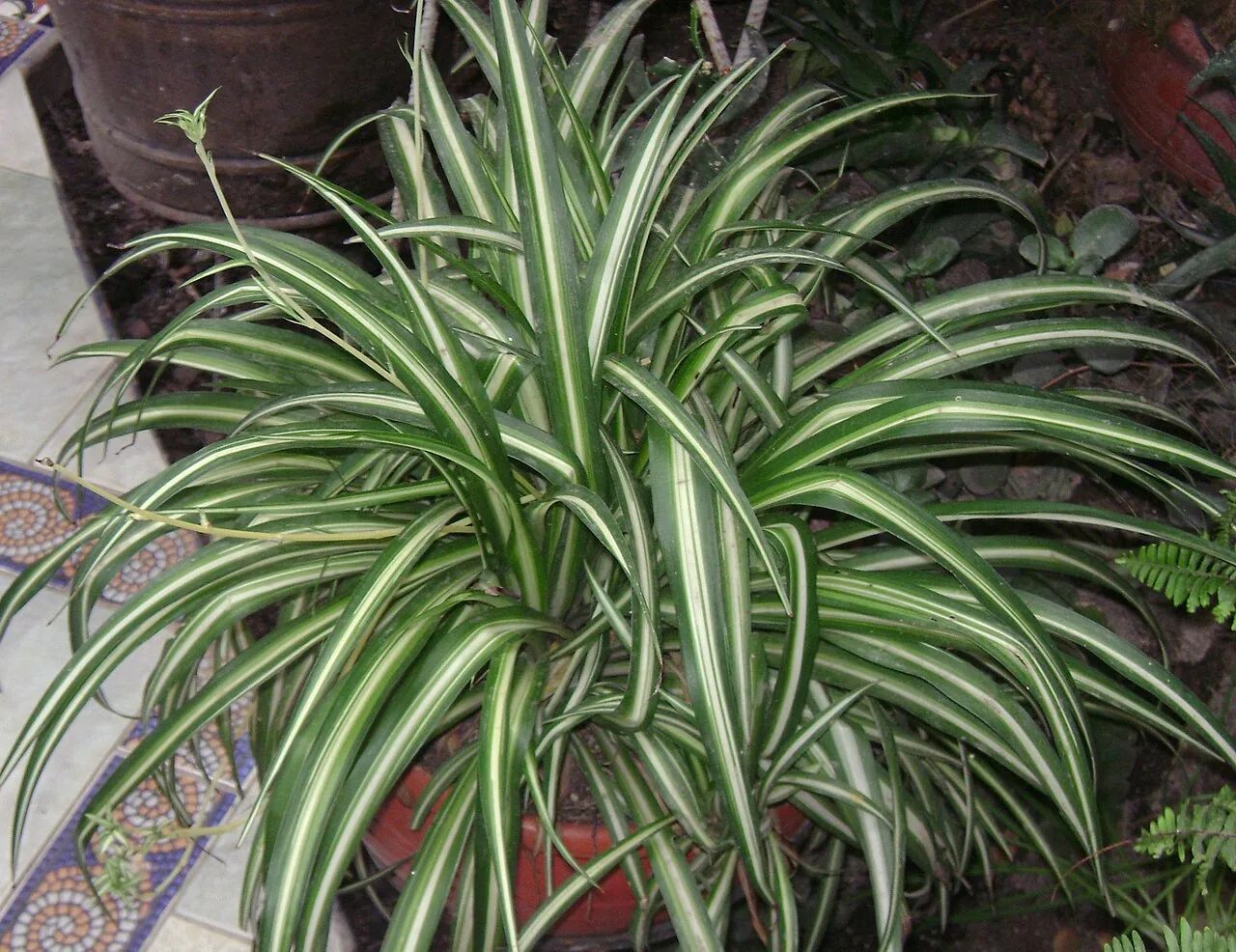
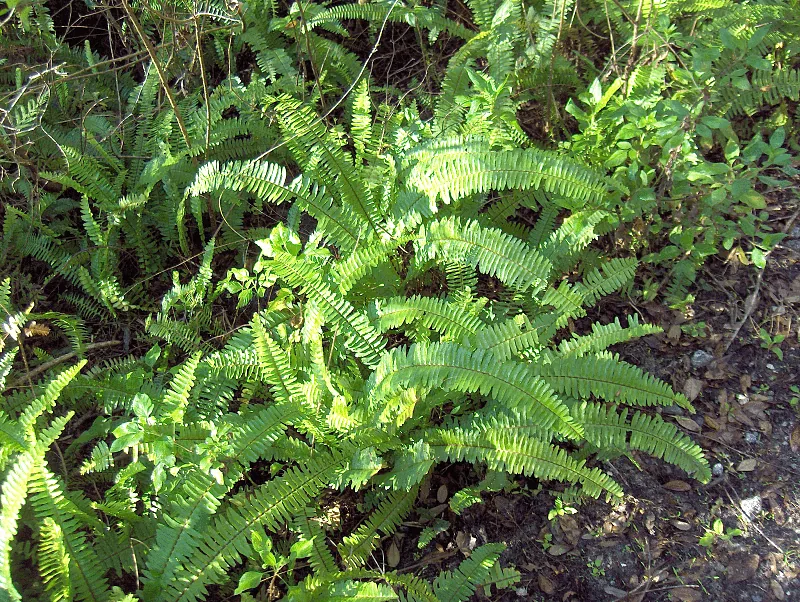
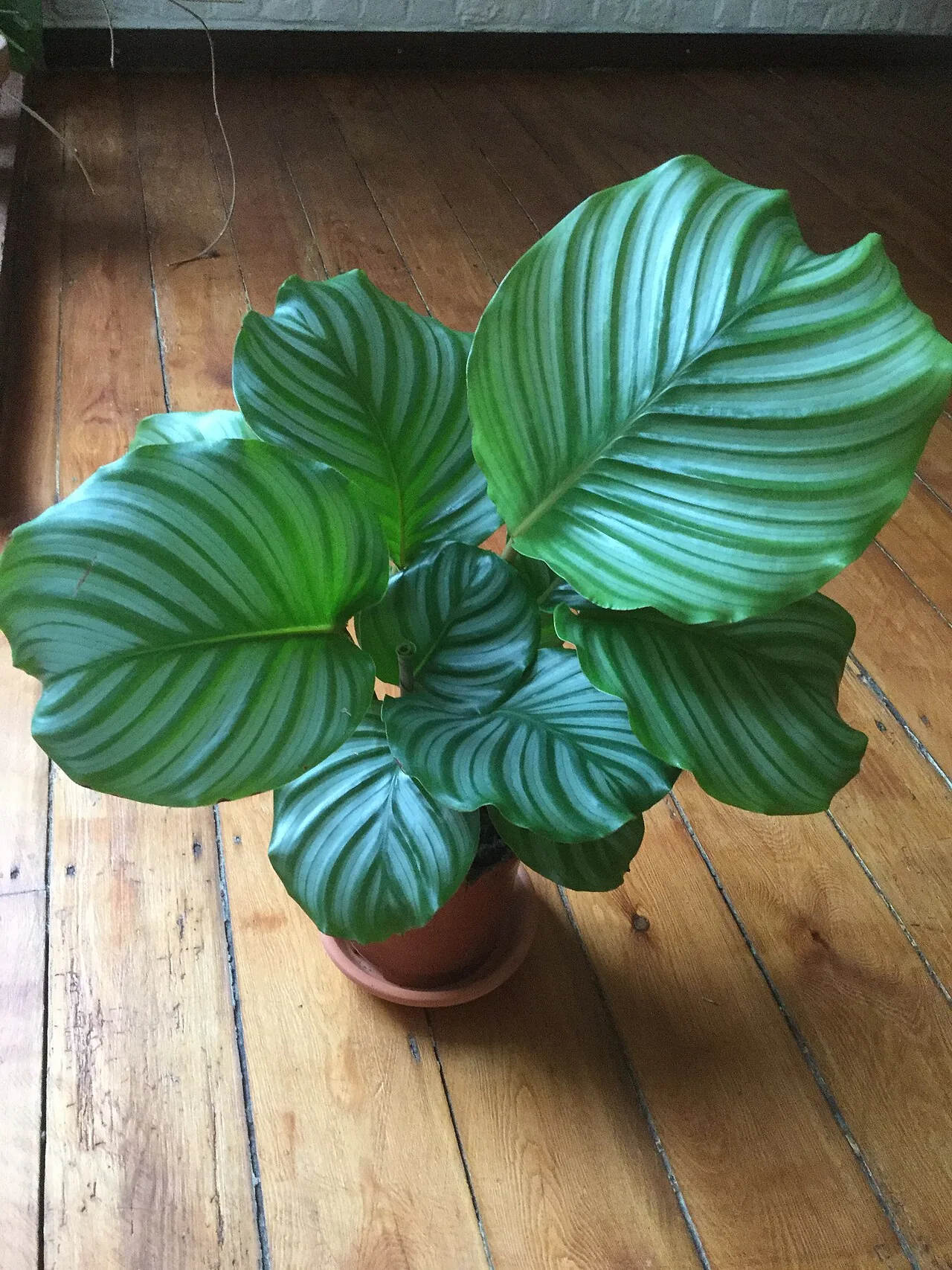
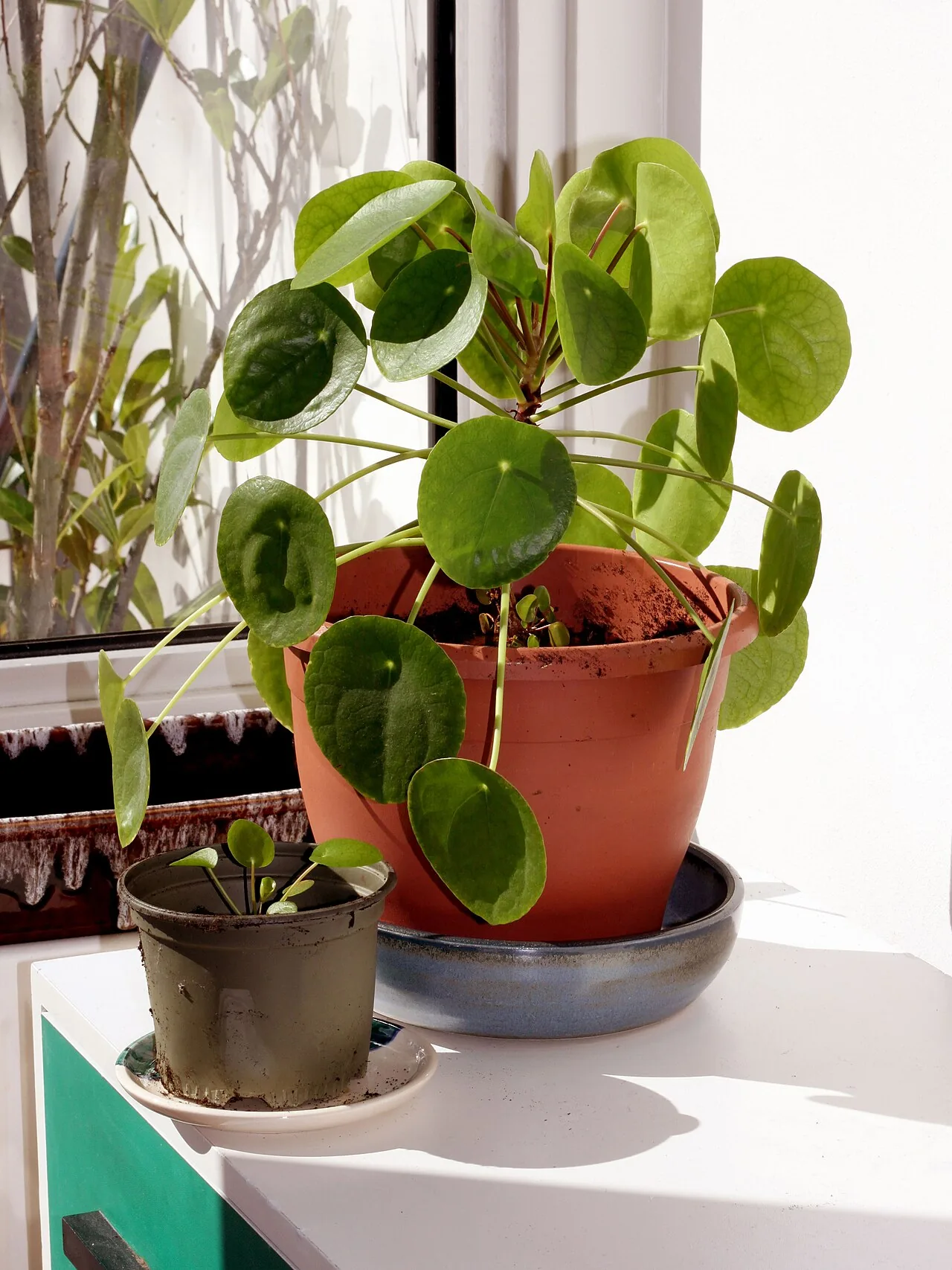
What are pet-safe alternatives to English Ivy?
Pet-safe alternatives with similar care or appearance: Spider Plant, Boston Fern, Calathea, Chinese Money Plant. All are confirmed non-toxic to cats and dogs by the ASPCA.