English Ivy Hedera helix

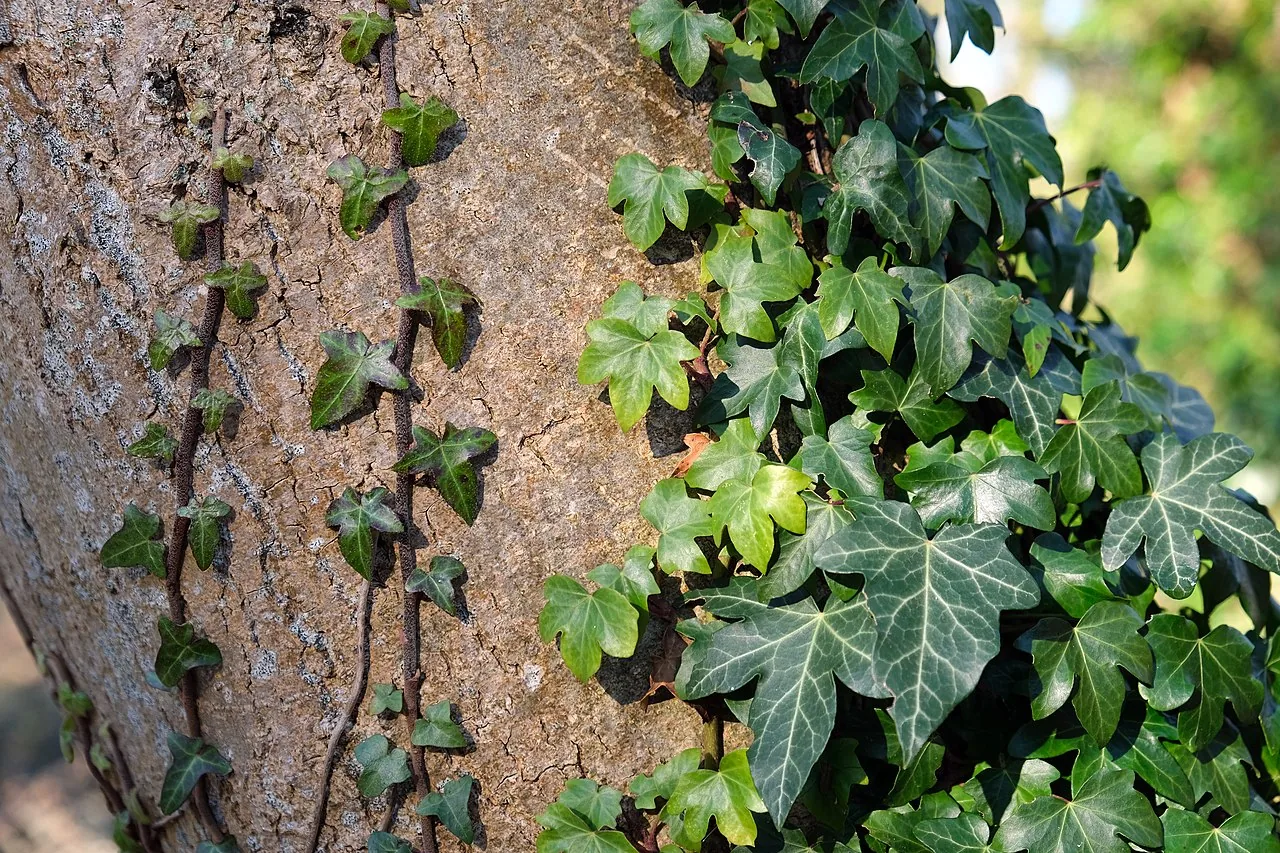
At a glance
- Light
- Bright indirect
- 5000–15000 lux
- Water
- Every 5–10 days
- Top 2-3cm of soil
- Humidity
- 40–70%
- Temperature
- 7–24°C
- Ideal 15–21°C
- Soil pH
- 6–7.5
- well-draining
- Mature size
- 300 cm tall
- 100 cm wide
- Native to
- Europe, Western Asia, North Africa
- Growth
- Fast
- Trailing
Watering calculator
Estimate how often to water your English Ivy based on pot size, light, and season.
Always check the top 2 cm of soil before watering. Calculator output is an estimate, not a schedule.
Diagnose a problem
Click an issue to see causes and fixes for English Ivy.
Or use Plant Doctor — AI-powered diagnostic that picks the top 3 most likely causes with family-specific reasoning and step-by-step fixes (photo upload coming soon).
Compare with similar plants
| Trait | English Ivy Hedera helix | Golden Pothos Epipremnum aureum | Heartleaf Philodendron Philodendron hederaceum |
|---|---|---|---|
| Light | Bright indirect | Medium indirect | Medium indirect |
| Water | 5–10 days | 7–14 days | 7–10 days |
| Pet safe | Toxic to cats and dogs | Toxic to cats and dogs | Toxic to cats and dogs |
| Difficulty | Easy | Very Easy | Very Easy |
| Mature size | 300 cm | 1000 cm | 100 cm |
Light requirements in detail
English Ivy prefers bright indirect (5000–15000 lux) . Variegated cultivars need brighter light to keep patterns; all-green varieties tolerate medium indirect
A spot 1–2 meters from a bright east or south-facing window usually fits this range. Direct afternoon sun through unfiltered glass can scorch leaves; sheer curtains help diffuse it.
Watering in detail
Water English Ivy every 5– 10 days during the growing season, allowing Top 2-3cm of soil to dry between waterings. Reduce frequency in winter when growth slows.
Consistent moisture matters here — long dry spells will show up as crispy leaf edges.
Pet-safe alternatives to English Ivy
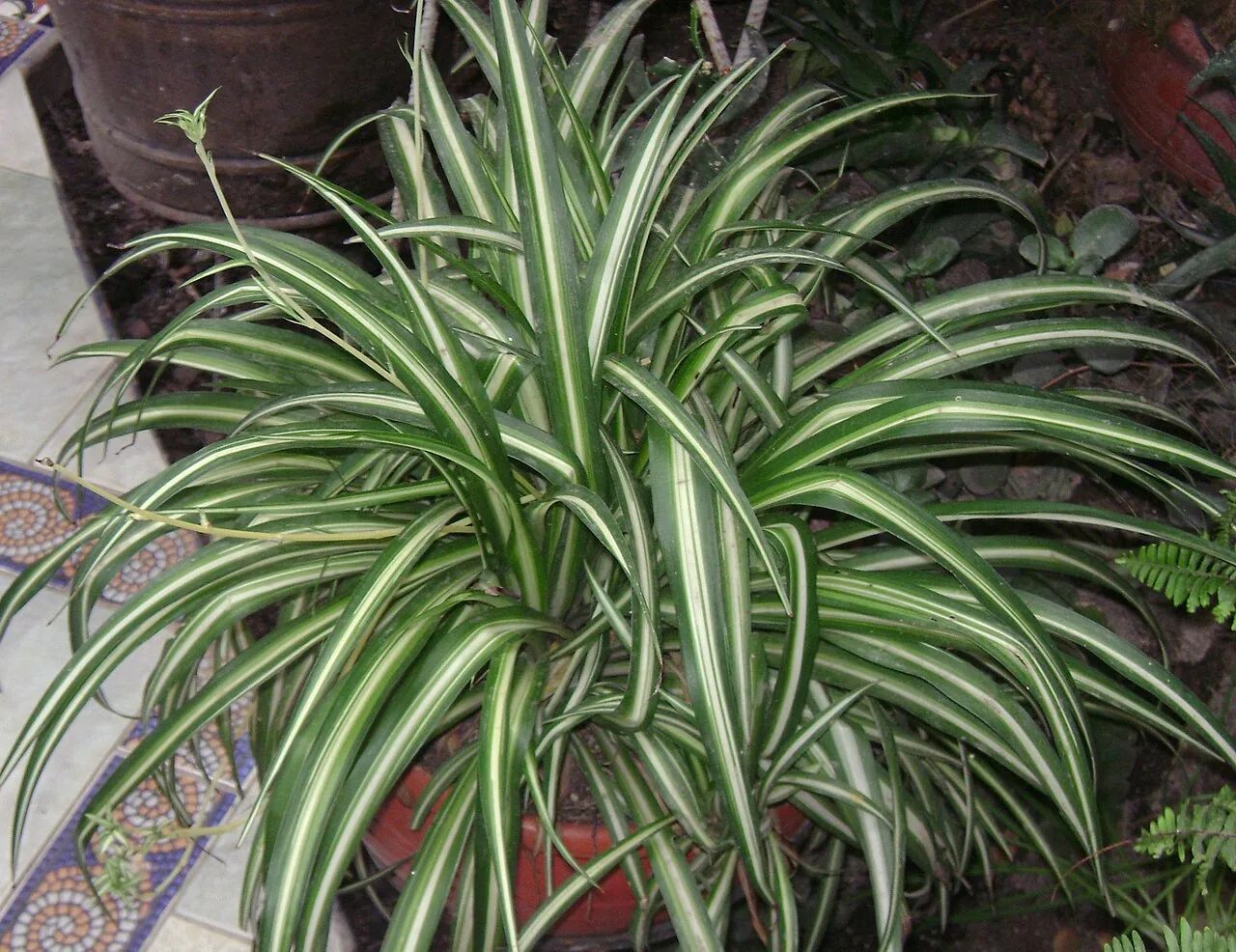
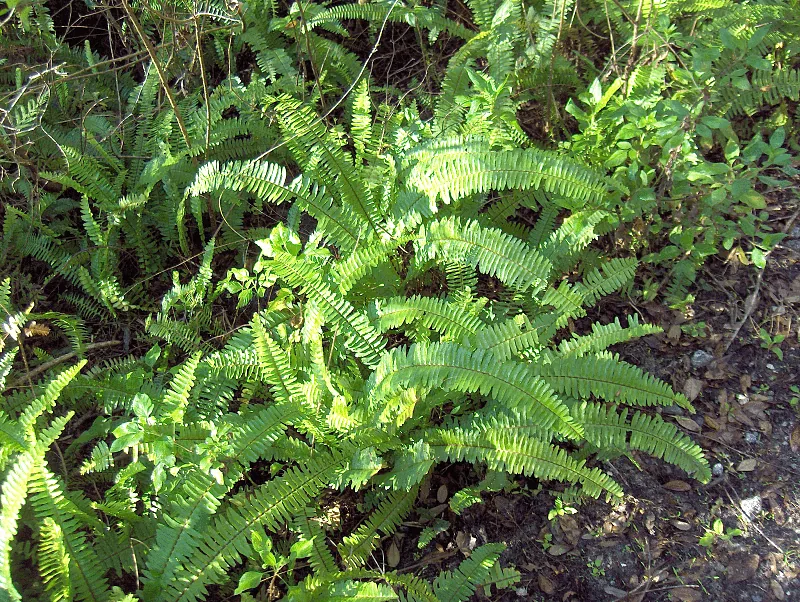
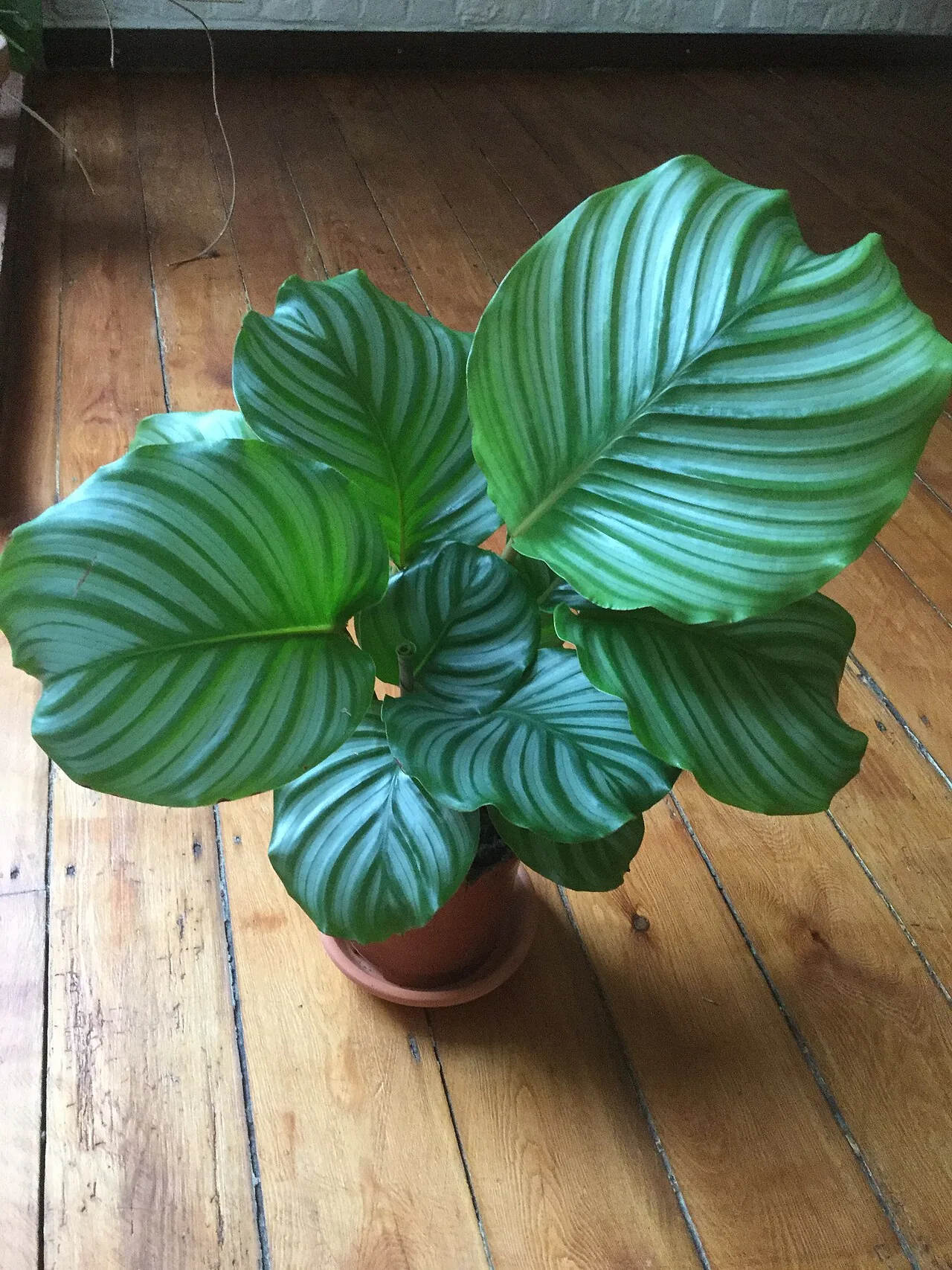
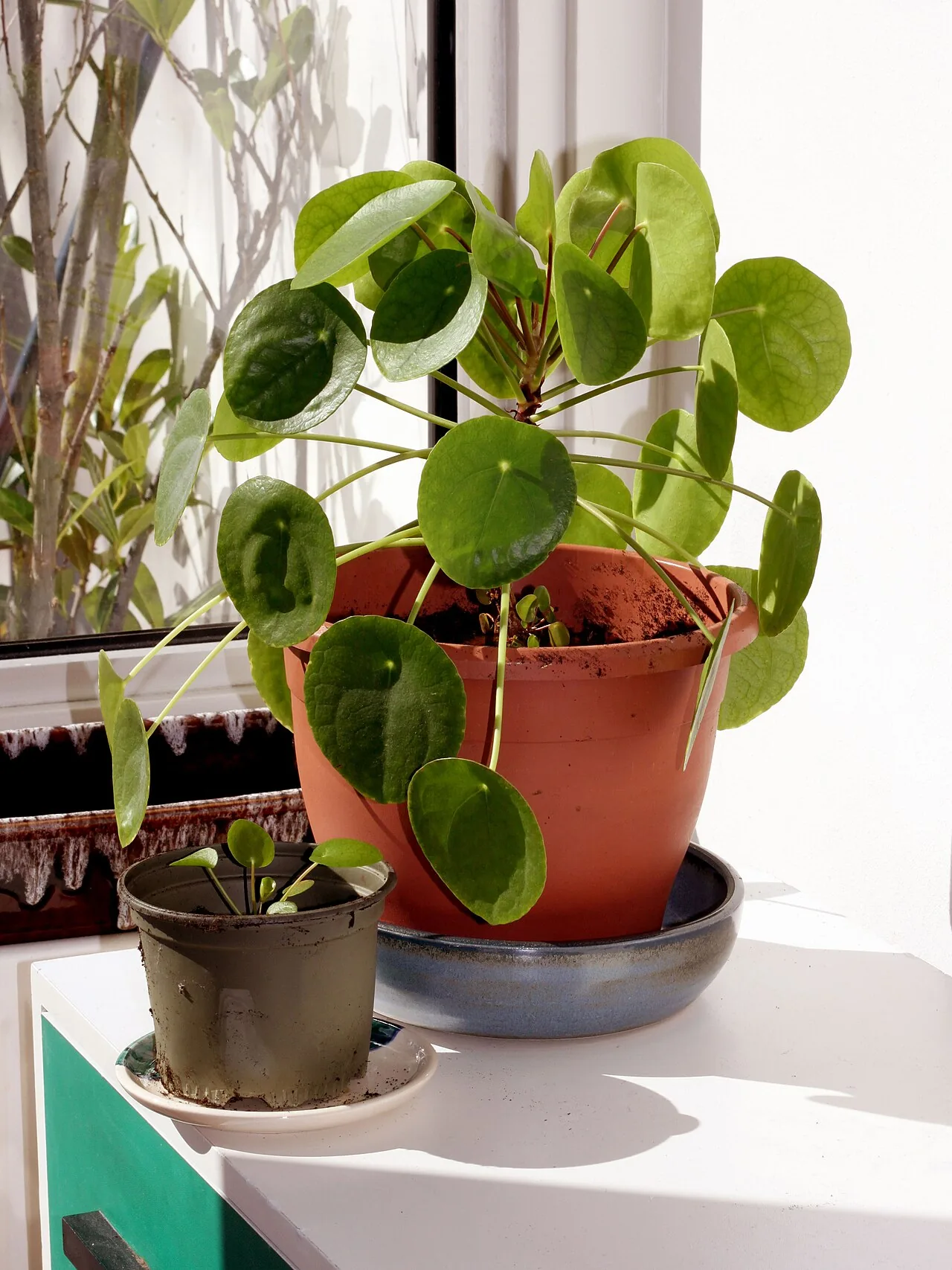
Browse plants like English Ivy
Frequently asked questions about English Ivy
How often should I water English Ivy?
Water English Ivy every 5–10 days during the growing season, allowing Top 2-3cm of soil to dry between waterings. Reduce frequency by 30–50% in winter.
What kind of light does English Ivy need?
English Ivy prefers bright indirect (5000–15000 lux). Variegated cultivars need brighter light to keep patterns; all-green varieties tolerate medium indirect
Is English Ivy toxic to cats?
English Ivy is toxic to cats (moderate severity). Toxic compounds: triterpenoid saponins (hederagenin), polyacetylene compounds (falcarinol, didehydrofalcarinol). Common symptoms: vomiting, diarrhea, hypersalivation, abdominal pain, oral irritation.
Is English Ivy toxic to dogs?
English Ivy is toxic to dogs (moderate severity). Toxic compounds: triterpenoid saponins (hederagenin), polyacetylene compounds (falcarinol, didehydrofalcarinol). Common symptoms: vomiting, diarrhea, hypersalivation, abdominal pain, increased thirst.
How big does English Ivy grow?
English Ivy reaches about 300 cm tall and 100 cm wide at maturity. Growth rate is fast.