NASA Clean Air Study: Which Air-Purifying Plants Actually Work?

Approx. 14 min read
Disclosure: Some links in this guide go to Amazon and other affiliate programs. If you buy through them, we may earn a small commission at no extra cost to you. This never influences which plants or products we recommend — see our editorial standards.
Walk into any plant shop and you will see "NASA-approved air-purifying plants" stickers on Pothos, Peace Lily, and Snake Plant. The marketing implies these plants will clean your home's air the way a HEPA filter would. As a biologist, I find this oversimplification more harmful than helpful — it leads people to skip real air-quality solutions while buying plants that are often toxic to their pets.
This guide does three things most "NASA Clean Air" articles skip:
- Explains what the study actually was — and what it never claimed.
- Cross-references our 55-plant database against the NASA list, with the ASPCA pet-safety profile of each one.
- Reviews 30 years of follow-up research on whether houseplants really clean indoor air at home.
The short answer: plants help slightly. For real air quality, you need a HEPA purifier. And most NASA-listed plants are toxic to cats and dogs. The detail below is for anyone who wants the actual science.
What the NASA Clean Air Study actually was
In 1989, B. C. Wolverton and colleagues at NASA's John C. Stennis Space Center published a technical memorandum titled "Interior Landscape Plants for Indoor Air Pollution Abatement" (NASA TM-101768). The work was funded by the Associated Landscape Contractors of America and was originally motivated by a very specific problem: how to keep air clean inside sealed spacecraft and submerged habitats, where a HEPA filter is impractical and ventilation is limited.
Wolverton's team built sealed acrylic chambers measuring 0.88 cubic metres — about the size of a small kitchen cupboard. Inside each chamber they placed one potted plant and a measured concentration of one volatile organic compound (VOC), most commonly formaldehyde, benzene, or trichloroethylene. They then sealed the chamber and measured how the VOC concentration dropped over 24 hours.
Eighteen plant species were tested across the original study and an expanded follow-up. The headline finding: plants in a sealed chamber measurably reduce VOC concentrations. Different plants did better against different chemicals. Peace Lily, the standout, removed five separate VOCs (formaldehyde, benzene, trichloroethylene, ammonia, xylene). Snake Plant did well against three.
Wolverton's later work — published as the popular book How to Grow Fresh Air in 1996 — extended the recommendations and ranked plants by their combined VOC removal score. That book is the source of most "Top 10 NASA plants" listicles you see online.
The NASA-tested plants we have in the Plant Compendium database
Of the 14 plants from the NASA Clean Air Study (and its expanded list) that appear in our 55-plant database, here is the master table — VOCs each plant was tested against, ASPCA pet safety, and a link to the full care guide.
| Plant | VOCs removed (in chamber) | Pet-safe? | Care guide |
|---|---|---|---|
| Peace Lily Spathiphyllum wallisii | formaldehyde, benzene, trichloroethylene, ammonia, xylene | Toxic to cats and dogs | Full guide → |
| Snake Plant Dracaena trifasciata | formaldehyde, benzene, trichloroethylene | Toxic to cats and dogs | Full guide → |
| Spider Plant Chlorophytum comosum | formaldehyde, xylene | Pet-safe | Full guide → |
| Golden Pothos Epipremnum aureum | formaldehyde, benzene | Toxic to cats and dogs | Full guide → |
| Aloe Vera Aloe barbadensis miller | formaldehyde, benzene | Toxic to cats and dogs | Full guide → |
| English Ivy Hedera helix | benzene, formaldehyde | Toxic to cats and dogs | Full guide → |
| Rubber Plant Ficus elastica | formaldehyde | Toxic to cats and dogs | Full guide → |
| Boston Fern Nephrolepis exaltata | formaldehyde, xylene | Pet-safe | Full guide → |
| Dragon Tree Dracaena marginata | formaldehyde, trichloroethylene, xylene | Toxic to cats and dogs | Full guide → |
| Areca Palm Dypsis lutescens | formaldehyde, xylene | Pet-safe | Full guide → |
| Parlor Palm Chamaedorea elegans | formaldehyde, xylene | Pet-safe | Full guide → |
| Heartleaf Philodendron Philodendron hederaceum | formaldehyde | Toxic to cats and dogs | Full guide → |
| Schefflera Schefflera arboricola | formaldehyde, benzene, trichloroethylene | Toxic to cats and dogs | Full guide → |
| Chinese Evergreen Aglaonema commutatum | formaldehyde, benzene | Toxic to cats and dogs | Full guide → |
Note: Where you see "sister species", the exact NASA-tested species is not common in retail. We list the closest commercially available relative from the same genus, which has comparable physiology.
The pet-safety problem nobody talks about
Look at the table again. Of 14 NASA-listed plants in our database, 10 are toxic to cats and dogs (71%). Only 4 (29%) are pet-safe per the ASPCA: Spider Plant, Boston Fern, Areca Palm, Parlor Palm.
The big-name "air-purifying" stars — Peace Lily, Pothos, Snake Plant, English Ivy, Aloe Vera, Rubber Plant, Dracaena — are all toxic to pets at varying severities. Peace Lily ingestion in cats causes intense oral burning and excessive drooling; Aloe Vera causes vomiting and lethargy; English Ivy can cause vomiting, diarrhea, and abdominal pain.
Almost no popular "best plants for clean air" article mentions this. They link the reader to Amazon to buy plants the reader's cat could chew within a week. As a pet owner and a biologist trained at Universitas Jenderal Soedirman with coursework in mycology and applied biology, I think this is irresponsible — and I built the Pet Safety Checker tool partly so visitors can verify any plant before buying.
If you have pets and want NASA-rated air-purifying plants, your honest list is short:
- Spider Plant (Chlorophytum comosum) — Pet-safe per ASPCA. Also removes more formaldehyde per leaf area than any other plant in the study.
- Boston Fern (Nephrolepis exaltata) — Pet-safe. Most efficient overall VOC remover in Wolverton's follow-up research.
- Areca Palm (Dypsis lutescens) — Pet-safe. Adds significant transpiration humidity — can raise local humidity 3-5 percentage points.
- Parlor Palm (Chamaedorea elegans) — Pet-safe. Closest available cousin to NASA's tested Chamaedorea seifrizii — same genus, similar profile.
How plants actually remove VOCs (the biology)
The mechanism Wolverton's chamber tests measured is real biology, not magic. Three pathways together:
1. Stomatal absorption
Tiny pores on the underside of leaves (stomata) open during photosynthesis to admit carbon dioxide. They also admit other small gas molecules — including formaldehyde, benzene, and other VOCs. Once inside the leaf, those compounds dissolve into the mesophyll cells.
2. Biotransformation in leaf tissue
Plants have detoxification enzymes (especially the cytochrome P450 family) that transform foreign organic compounds into less toxic products, often water-soluble derivatives that can be stored or further metabolised. This is the same enzyme family your liver uses to detoxify medications.
3. Microbial degradation in the root zone
The most important pathway in the NASA chambers turned out to be microbial. Soil microorganisms — bacteria and fungi living on root surfaces — actively metabolise VOCs that diffuse down to the root zone. When Wolverton ran chambers with sterilised soil, VOC removal dropped sharply. The plant supplies oxygen and exudates to the root zone; the microbes do most of the actual chemistry.
This third point matters: most of a houseplant's air-purifying capability is done by microbes you cannot see, not by the visible leaves. Adding more decorative leaves to a pot does not help; what helps is a healthy, oxygenated root system in well-draining soil.
The hard part: scale
Wolverton's chambers were 0.88 m³. A typical bedroom is 25-30 m³ — about thirty times larger. A typical living room is 50-80 m³.
The deeper problem: real rooms are not sealed. They exchange air with the rest of the house roughly 0.5-1.0 times per hour through gaps, doors, vents, and open windows. Modern buildings with mechanical ventilation can hit 5+ air changes per hour. NASA's chambers had zero air exchange — the only way the VOC could leave was via the plant.
In 2019, researchers Cummings and Waring at Drexel University published a meta-analysis of 196 experiments derived from the NASA work and similar follow-ups. They calculated how many plants per square metre you would need for the same VOC reduction that ordinary building ventilation achieves automatically. Their conclusion was sobering: between 10 and 1000 plants per square metre depending on the VOC and the plant. A 30 m² living room would need at least 300 plants — a small forest — to match what an open window does for free.
This is not a critique of NASA's science. The original study made no claim about typical homes. Its conclusion was that plants can remove VOCs in sealed spaces — useful for spacecraft. The leap from there to "buy this Peace Lily and your apartment air will be clean" was made by marketers, not by Wolverton.
What 30 years of follow-up research actually says
Subsequent peer-reviewed studies have largely converged on three findings:
- In sealed chambers, plants remove VOCs measurably — the original NASA finding replicates well.
- In real rooms, the effect is too small to matter at the plant densities most homes can tolerate. Building ventilation dominates.
- Plants do reliably increase humidity through transpiration, and moderate humidity (40-60%) reduces dust mite populations, slows airborne virus survival, and is associated with fewer respiratory complaints in some studies.
A 2022 review in Science of The Total Environment concluded that the psychological and humidifying effects of indoor plants are likely real and measurable, while the direct VOC removal at typical home densities is likely negligible. Plants are good for you in ways the NASA study did not test — biophilic design, attention restoration, perceived comfort. They are just not air filters.
What to actually do for indoor air quality
If indoor air is a real concern — for example, if a household member has asthma, allergies, or sensitivity to wildfire smoke or urban pollution — here is the realistic stack, ordered by impact:
1. Source control (free, biggest impact)
- Remove or reduce VOC sources: certain glues, freshly-painted surfaces, scented candles, plug-in air "fresheners", and gas stoves all add VOCs continuously.
- Vent kitchens (open window or hood fan) when cooking.
- Vacuum with a HEPA-equipped vacuum, weekly.
2. Mechanical ventilation (highest leverage)
- Open windows for 5-10 minutes twice daily when outdoor air is reasonable. Free, works dramatically better than any plant collection.
- If outdoor air is poor (urban traffic, smoke), the next item replaces this.
3. A HEPA-filter air purifier (the real tool)
A modest unit moves 200-400 m³ of filtered air per hour. That is roughly equivalent to hundreds of plants. For a single bedroom, a budget unit is enough; for a living room, look at higher CADR (Clean Air Delivery Rate) numbers. Suggested specs to look for:
- True HEPA filter (not "HEPA-style" or "HEPA-type")
- Activated carbon layer for VOCs and odours (the part that NASA actually addresses biologically)
- CADR matched to room size — manufacturer charts make this easy
- Quiet mode for bedrooms; lower decibels matter at night
What we recommend: Levoit Core 300 for bedrooms (true HEPA + carbon layer, well under $150), Coway Airmega AP-1512HH for living rooms (higher CADR, durable), or Blueair Blue Pure 411a Max for budget setups. Pair any of these with two or three of the pet-safe plants below for a combination that actually works — humidity from the plants, real filtration from the purifier.
4. Plants — for humidity, comfort, and biophilia (not as primary filtration)
Add plants because they make rooms feel alive, raise humidity gently, and there is real evidence they help with stress and attention. Add them for those reasons, not because you expect them to clean the air.
Our recommended pet-safe NASA plants
If you want NASA-rated air-purifying plants AND a pet-safe home, this is our short list — every one is non-toxic to cats and dogs per the ASPCA and was tested in the Wolverton studies.
-
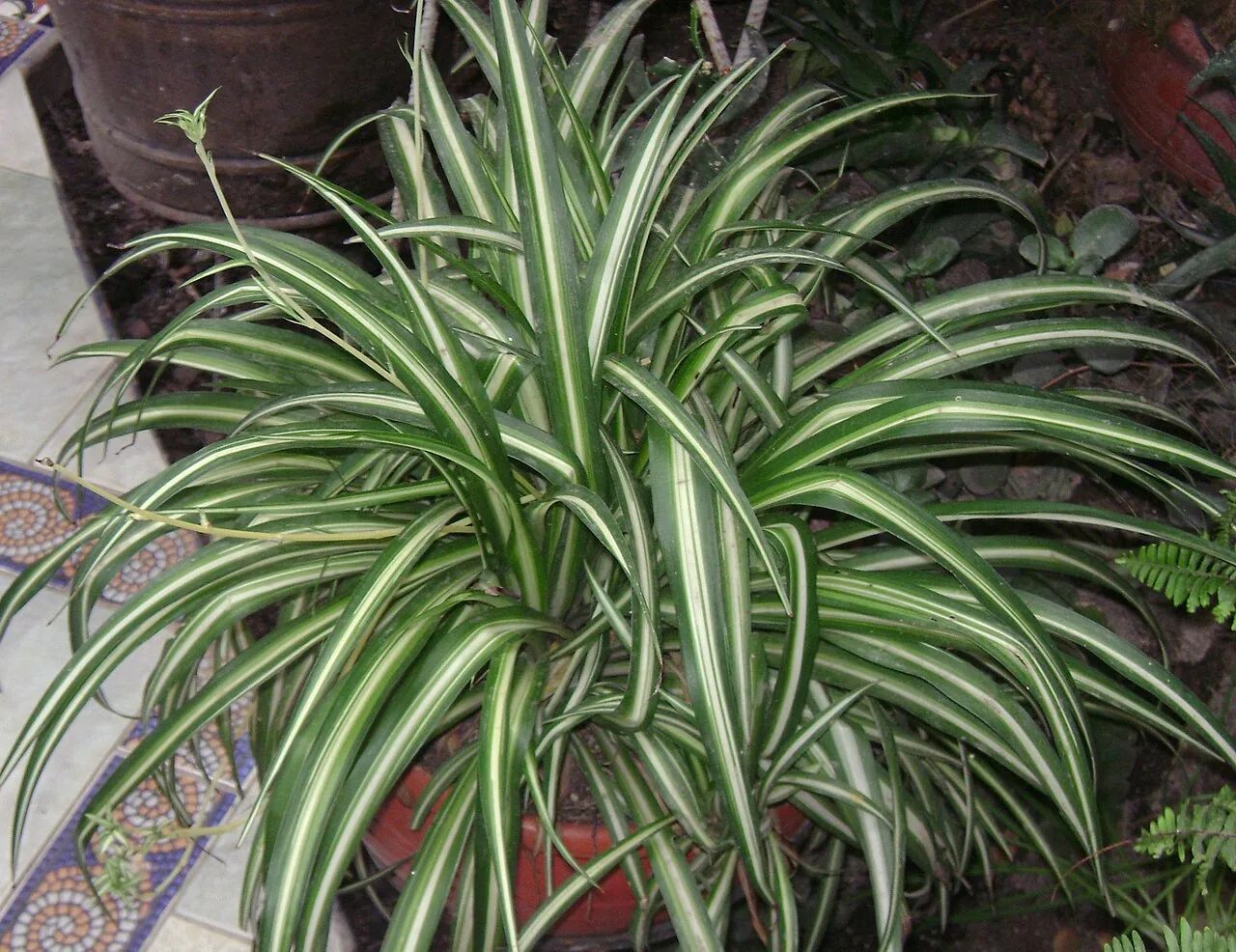
Spider Plant Chlorophytum comosum
VOCs tested: formaldehyde, xylene
Pet-safe per ASPCA. Also removes more formaldehyde per leaf area than any other plant in the study.
-
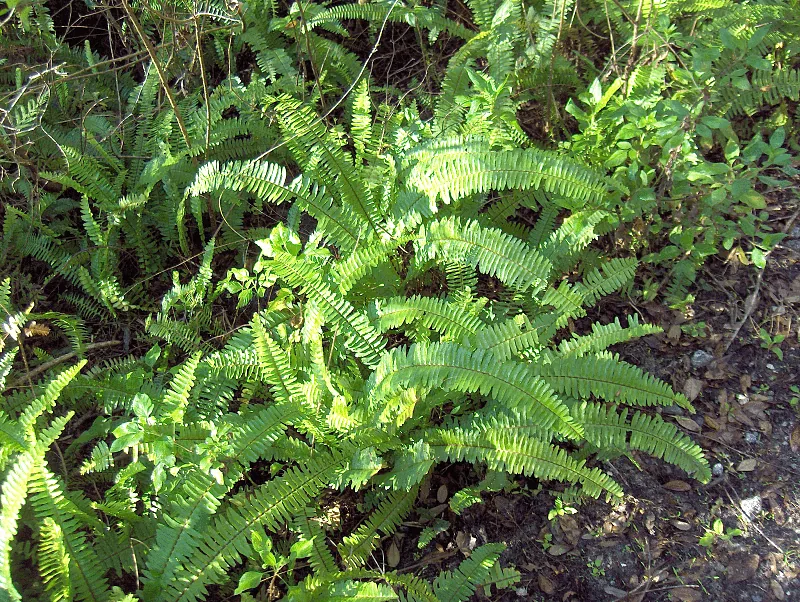
Boston Fern Nephrolepis exaltata
VOCs tested: formaldehyde, xylene
Pet-safe. Most efficient overall VOC remover in Wolverton's follow-up research.
-
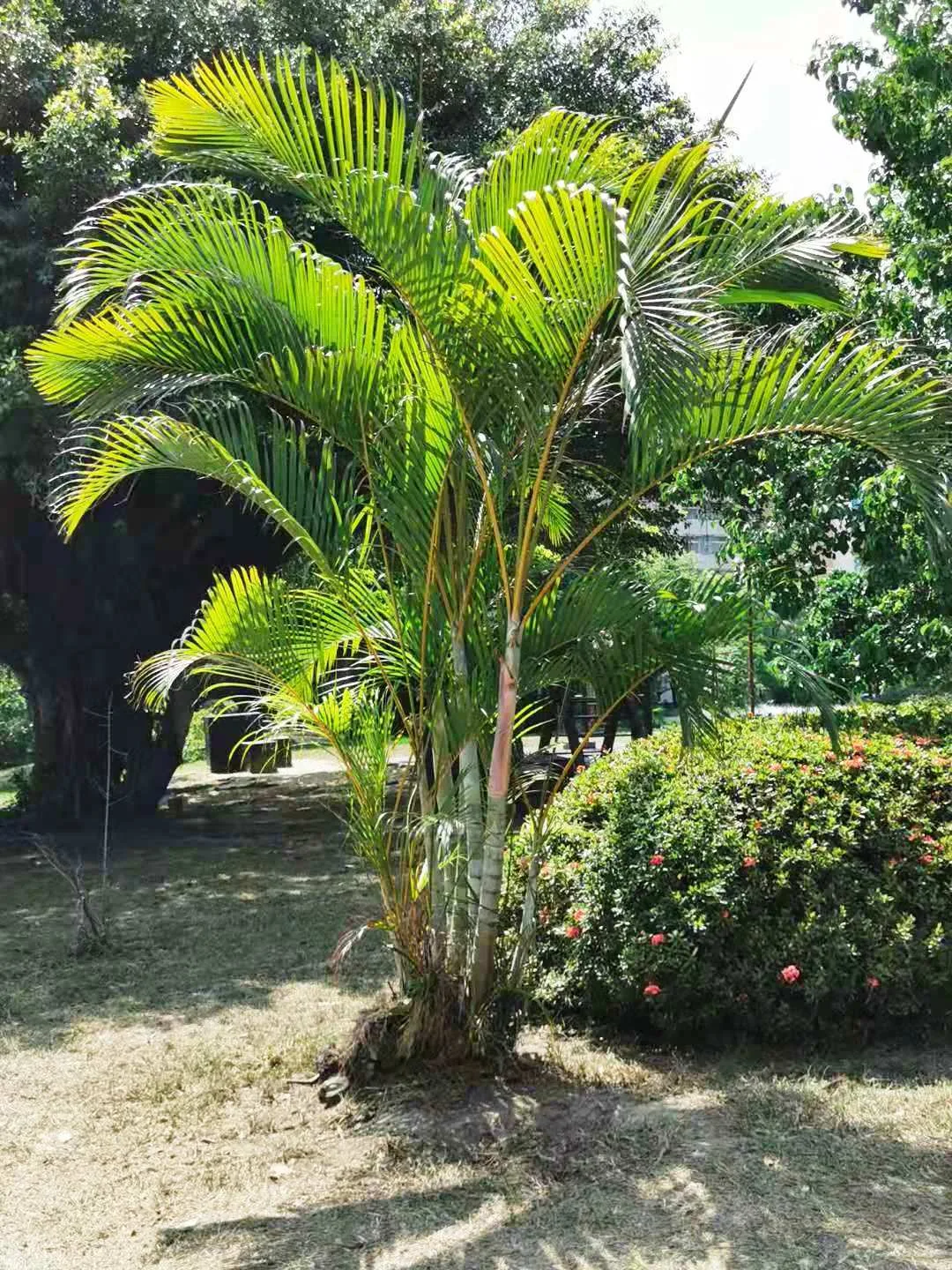
Areca Palm Dypsis lutescens
VOCs tested: formaldehyde, xylene
Pet-safe. Adds significant transpiration humidity — can raise local humidity 3-5 percentage points.
-
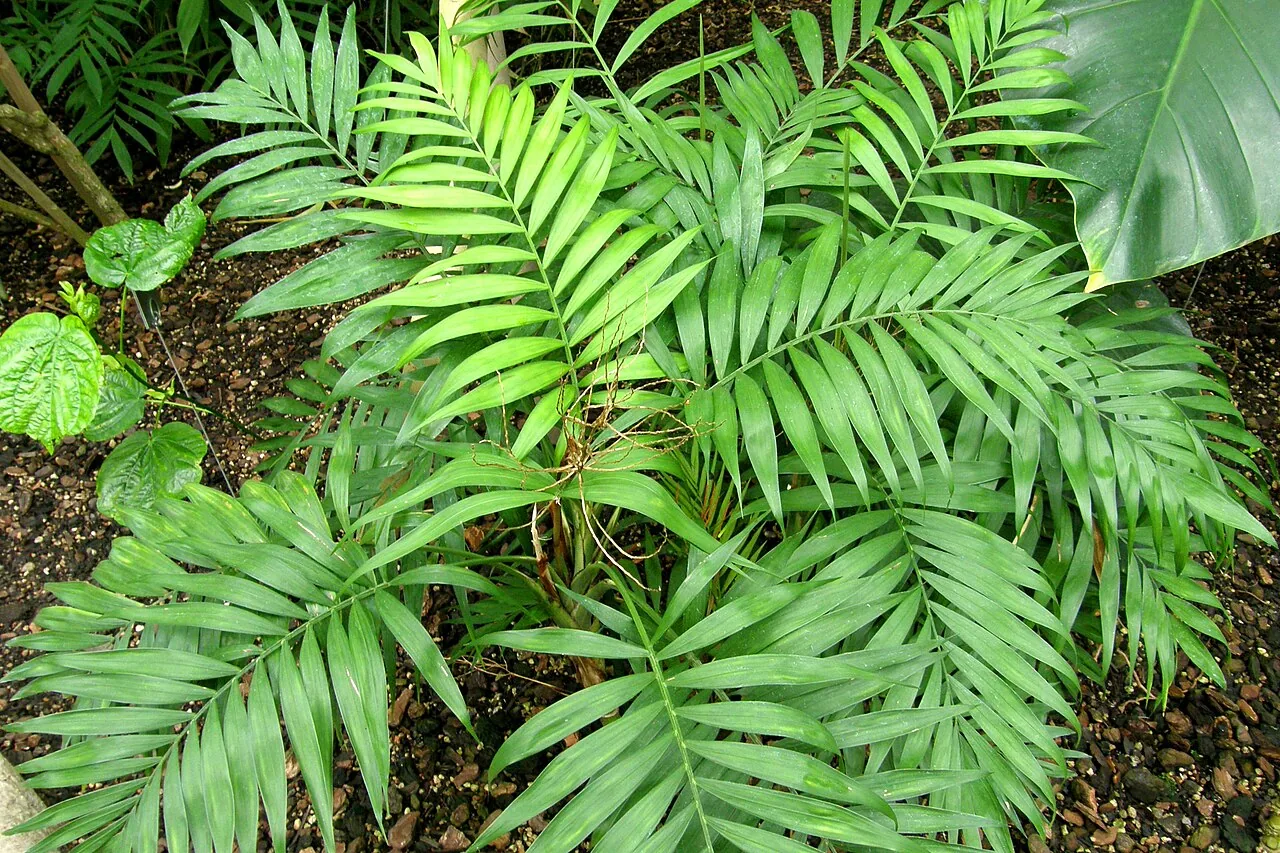
Parlor Palm Chamaedorea elegans
VOCs tested: formaldehyde, xylene
Pet-safe. Closest available cousin to NASA's tested Chamaedorea seifrizii — same genus, similar profile.
Compare NASA-tested plants head-to-head
Most of these plants overlap in function (formaldehyde removal) but differ sharply in care difficulty, pet safety, and which light they want. These side-by-side comparisons isolate the differences:
- Snake Plant vs ZZ Plant — both bulletproof, both pet-toxic, very different light tolerance
- Dracaena vs Snake Plant — two tall NASA-tested floor plants
- Boston Fern vs Spider Plant — the two easiest pet-safe NASA plants, very different humidity needs
- Areca Palm vs Parlor Palm — the two pet-safe NASA palms, different scale and growth speed
- Monstera vs Pothos — two NASA-tested Aroid vines at completely different scales
FAQ
Do houseplants really clean indoor air?
In a sealed laboratory chamber the size of a refrigerator, yes — measurably. In a real-world bedroom or living room, the effect is too small to be meaningful at typical houseplant densities. A 2019 meta-analysis of 196 NASA-derived experiments concluded that you would need 100-1000 plants per square metre to match the air-cleaning rate of normal building ventilation. Most homes have none of that.
How many air-purifying plants do I need?
For a noticeable air-quality effect using NASA-derived rates, you need roughly 10-30 mature plants per 30 square metres of room. That is more plants than most living rooms can fit. For practical purposes, treat houseplants as one input among many — humidity, biophilic comfort, decoration — rather than as primary air filtration.
What is the best alternative to plants for cleaning indoor air?
A HEPA-filter air purifier sized to the room. A modest unit moves 200-400 cubic metres of filtered air per hour, which is hundreds of times the throughput of any plant collection. Plants and a purifier together is the realistic combination if indoor air quality is a real concern.
Are NASA-recommended plants safe for pets?
Most are not. Of the 14 NASA Clean Air Study plants in our database, only 4 (29%) are non-toxic to cats and dogs per the ASPCA: Spider Plant, Boston Fern, Areca Palm, Parlor Palm. The rest — including the famous Peace Lily, Pothos, Snake Plant, English Ivy, and Aloe Vera — are toxic to varying degrees. Pet households should select carefully.
Was the NASA Clean Air Study 1989 study reliable?
For its specific question — whether plants can remove VOCs in a sealed chamber — yes. As a guide for real-home air quality, no. The chamber was 0.88 cubic metres (smaller than a kitchen cupboard); air exchange was zero; experiments lasted hours, not the days a typical house ventilates over. The study was originally aimed at sealed spacecraft environments, not homes. NASA never claimed it applied directly to ordinary buildings.
Bottom line
The NASA Clean Air Study was real science answering a real question for spacecraft and sealed environments. Its findings were carefully translated by marketers into a story about ordinary homes that the original researchers never told. Houseplants in a typical living room remove a small fraction of one percent of indoor VOCs — far less than ordinary ventilation, vastly less than a HEPA purifier with an activated carbon stage. They do, however, raise humidity slightly, support biophilic comfort, and make a room feel alive.
Buy plants because you want to live with them, not because you expect them to filter your air. And if you have pets, please verify ASPCA toxicity before buying — most of NASA's famous picks are not safe.
Primary source: Wolverton, B. C., Johnson, A., & Bounds, K. (1989). Interior landscape plants for indoor air pollution abatement (NASA Technical Memorandum 101768). Follow-up: Cummings, B. E., & Waring, M. S. (2019). Potted plants do not improve indoor air quality. Journal of Exposure Science and Environmental Epidemiology, 30, 253-261. Pet-safety data: ASPCA Animal Poison Control Center toxic and non-toxic plant lists. Last reviewed 2026-05-06.