Best trailing and climbing aroids

Aroids (Araceae family) gave the indoor-plant world most of its trending vines: Monstera deliciosa, Pothos, every Philodendron, the "Mini Monstera" Rhaphidophora tetrasperma, the Swiss Cheese Vine Monstera adansonii, and the silver-speckled Satin Pothos. They share the same care template — bright indirect light, weekly watering, a moss pole if you want big mature leaves — and the same calcium-oxalate toxicity to cats and dogs. These seven picks are the most worth growing if you have the space (vertically or trailing) and no curious pets.
-
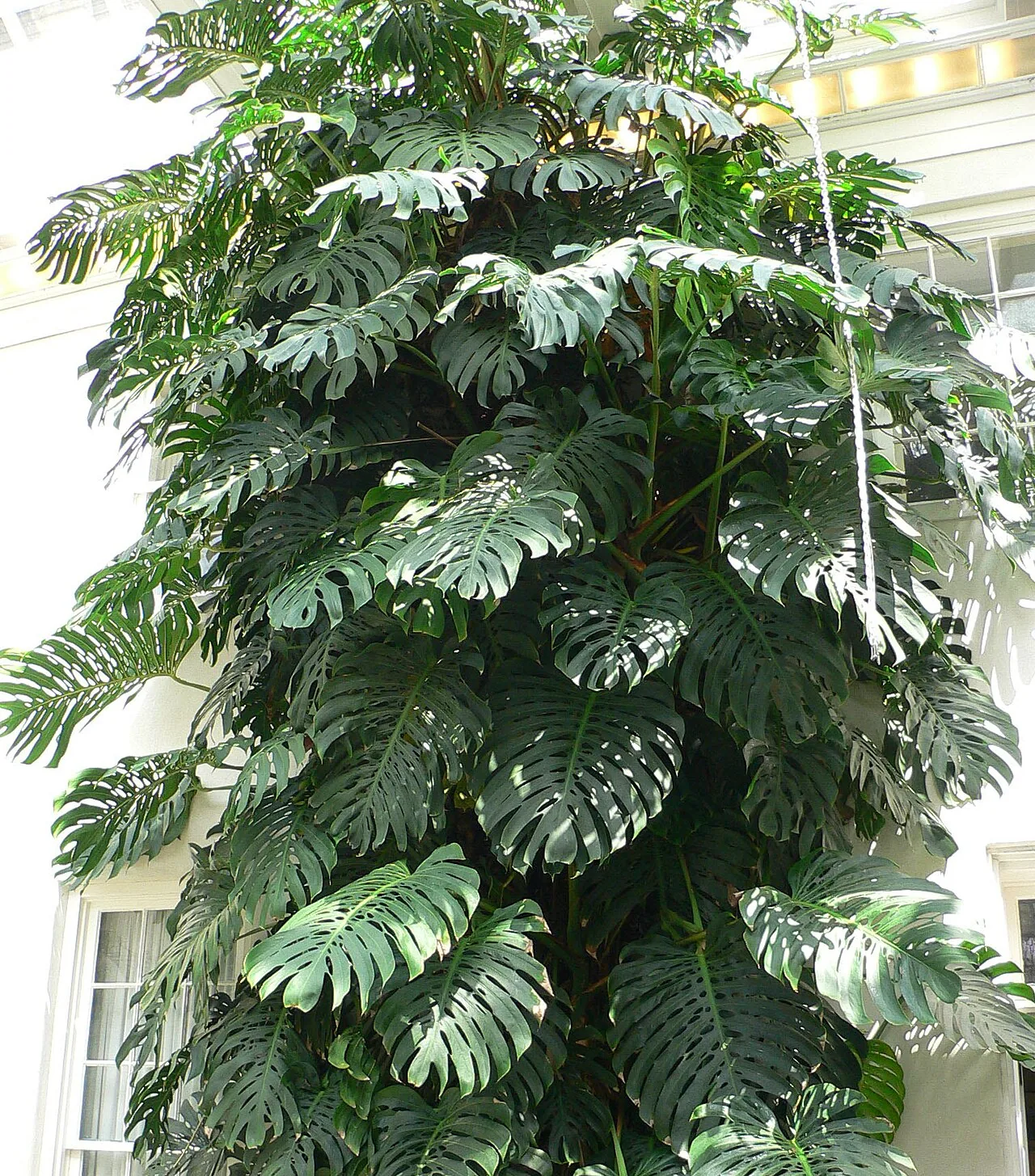
Monstera Monstera deliciosa
Toxic to cats and dogs Bright indirectThe flagship aroid. 60cm+ fenestrated leaves at maturity but needs floor space for a 2-3m specimen on a moss pole. Slower than the others; pick only if you have the room.
-
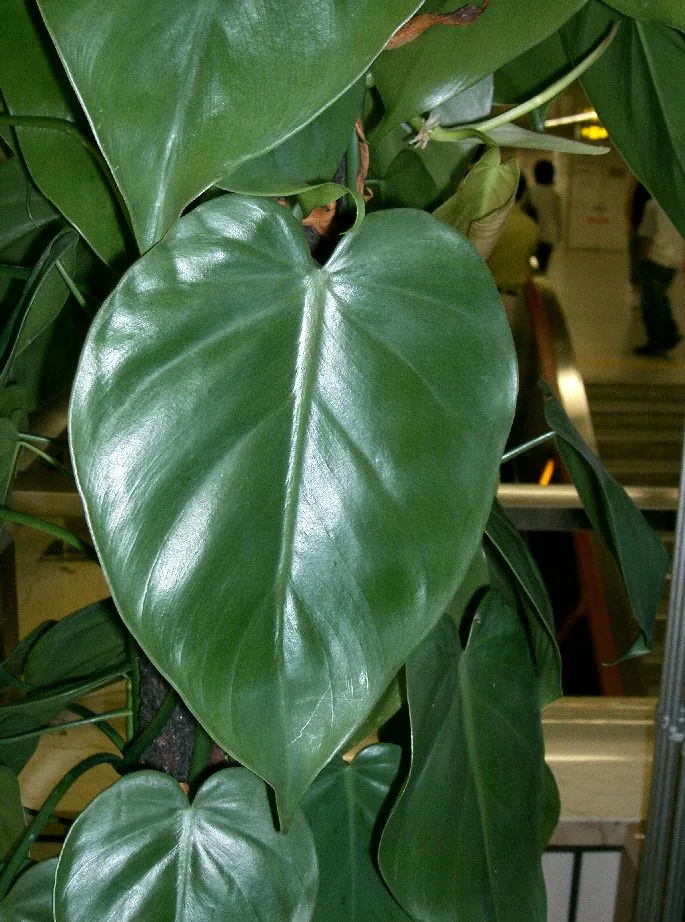
Heartleaf Philodendron Philodendron hederaceum
Toxic to cats and dogs Medium indirectThe compact pet-toxic alternative to Pothos. Heart-shaped solid leaves on a 1m vine — perfect for shelves where a larger vine would crowd.
-
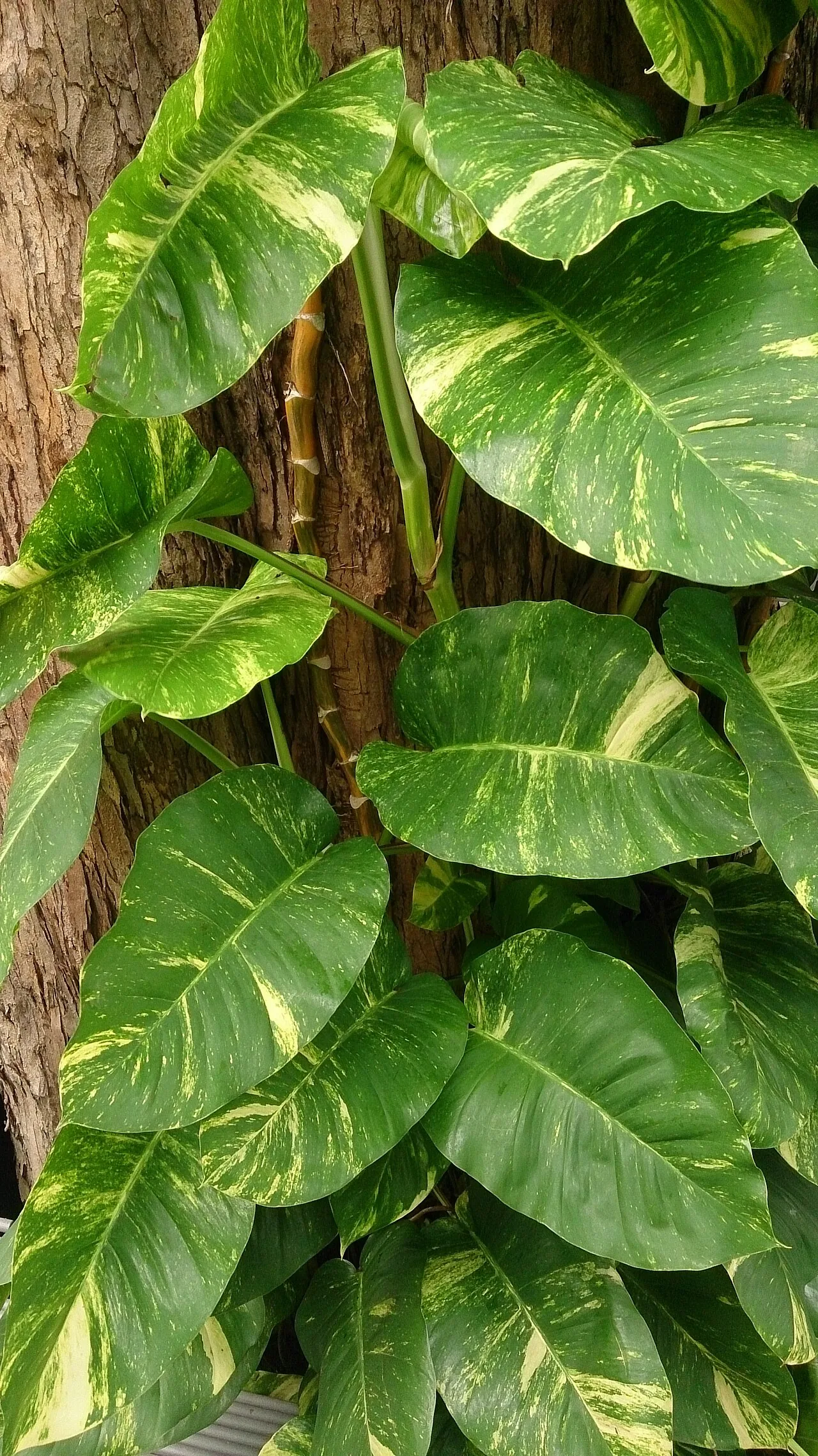
Golden Pothos Epipremnum aureum
Toxic to cats and dogs Medium indirect Drought-tolerantThe starter aroid. Tolerates lower light than any other vine on this list and propagates from cuttings in days. The plant that hooks most people on aroids.
-
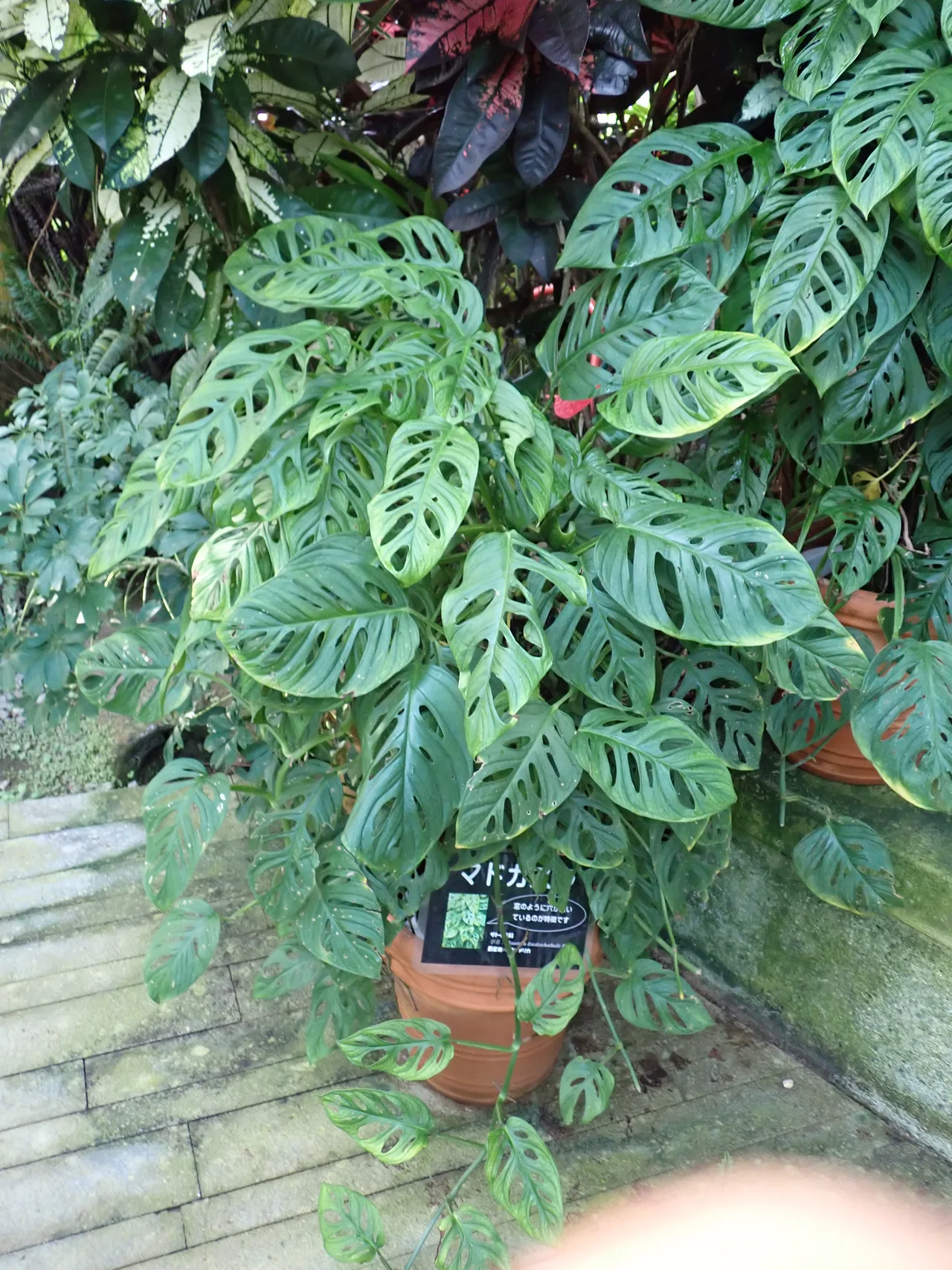
Monstera Adansonii Monstera adansonii
Toxic to cats and dogs Bright indirectThe Swiss Cheese Vine. Closed oval holes in heart-shaped leaves, trails naturally from hanging baskets up to 2m. Faster grower than its deliciosa sibling.
-
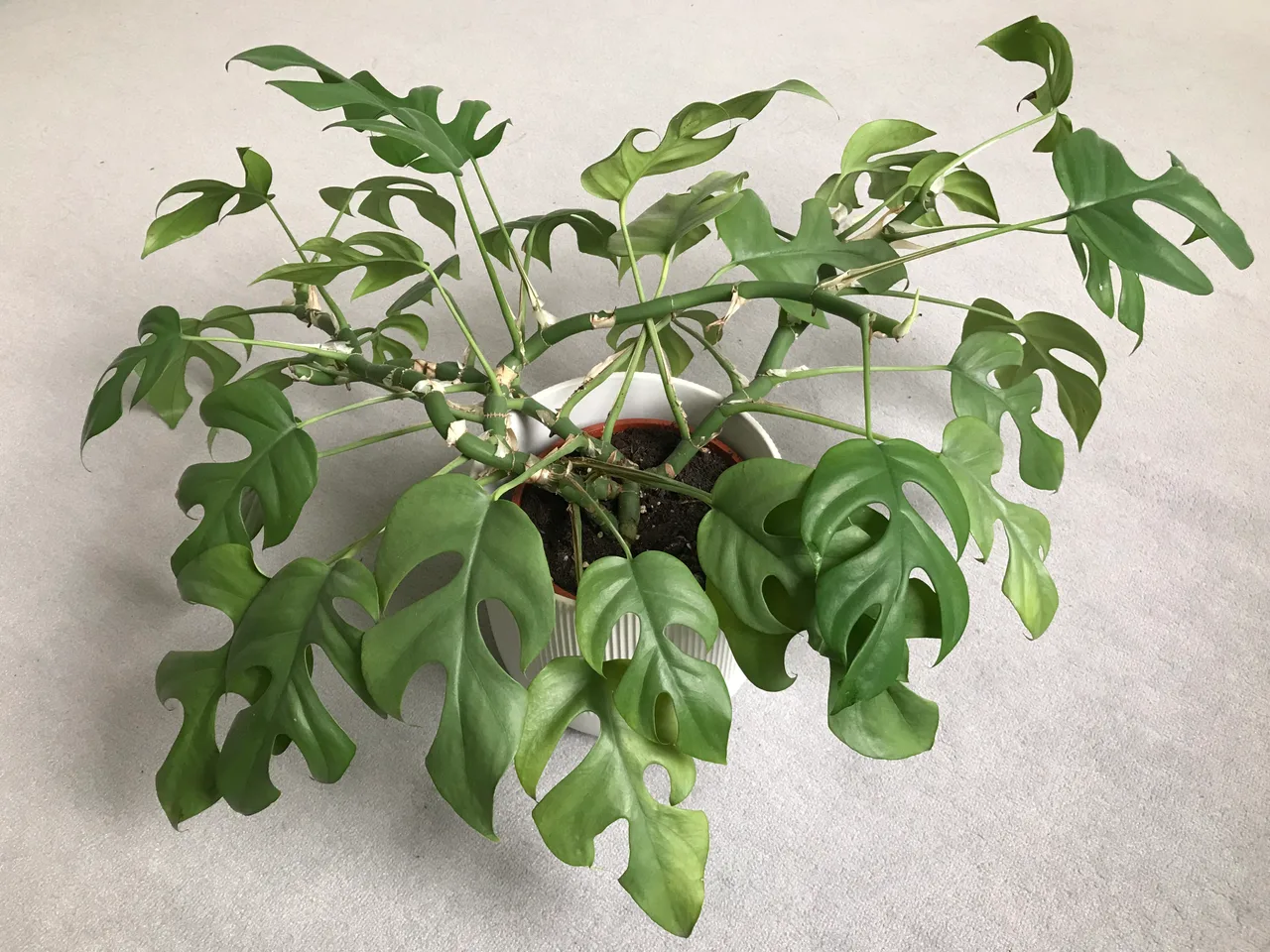
Rhaphidophora Tetrasperma Rhaphidophora tetrasperma
Toxic to cats and dogs Bright indirect"Mini Monstera" — open digitate splits, climbs aggressively on a moss pole. The fastest grower on this list and the right pick for vertical 1.5-2m installations.
-
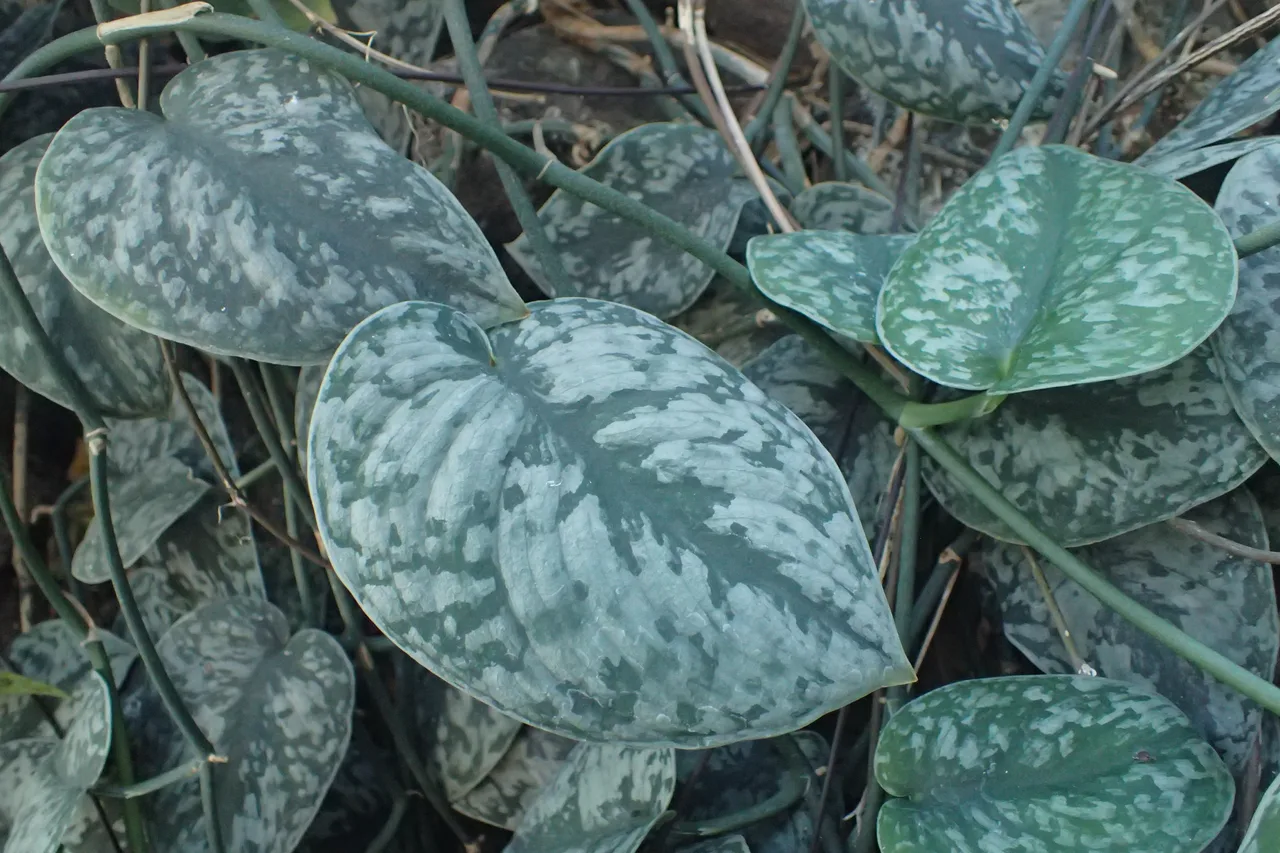
Satin Pothos Scindapsus pictus
Toxic to cats and dogs Medium indirect Drought-tolerantSatin Pothos — silver-speckled heart-shaped leaves with a velvety matte finish. Tolerates medium light better than Golden Pothos and the variegation actually deepens in lower light (unlike most variegated plants). Slower grower but visually unmatched on this list.
-
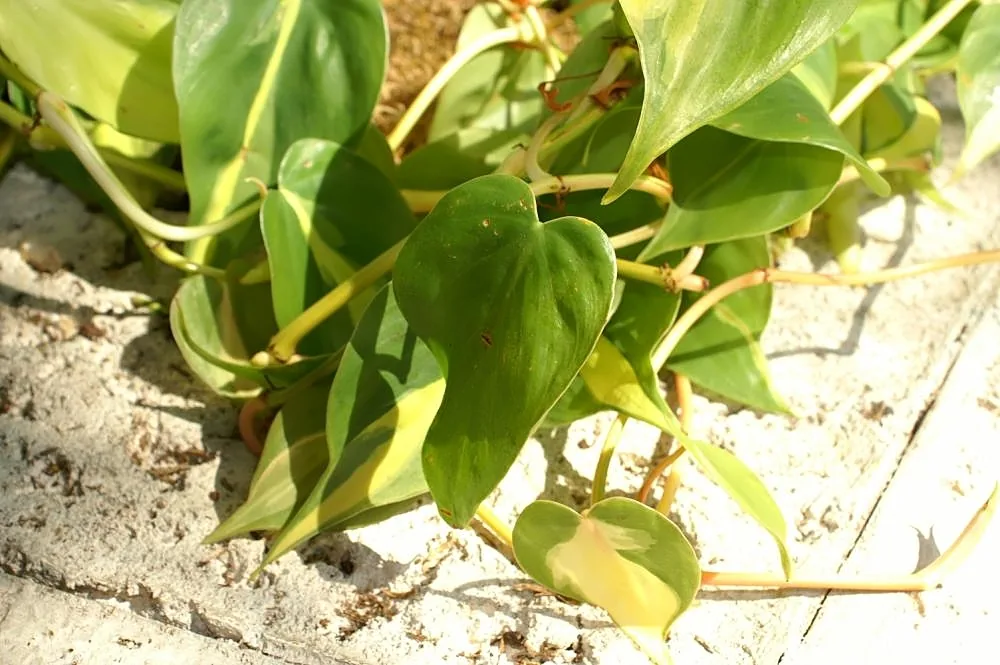
Philodendron Brasil Philodendron hederaceum 'Brasil'
Toxic to cats and dogs Bright indirectHeartleaf Philodendron with a bright lime stripe down each leaf — the variegated upgrade that costs $5 more at the nursery.
Final word
All seven are toxic to cats and dogs via calcium oxalate crystals — same mechanism, same severity. For a pet household, no aroid on this list is safe; pick from `pet-safe-trailing-plants` instead. For a non-pet household, start with Pothos or Heartleaf Philodendron and graduate to Rhaphidophora or Scindapsus once you have the moss-pole setup ready.